Appliance Removal in Chicopee, MA
We connect you with independent Western Mass junk haulers. We are not a hauler.
We connect you with independent Western Mass junk haulers. We are not a hauler.
Appliances are heavy, awkward, and covered by two separate sets of rules. Massachusetts has banned white goods from landfills and combustion facilities since the end of 1991, and from transfer stations since April 2000. On top of that, anything holding refrigerant is covered by federal law.
The federal piece is EPA Clean Air Act section 608, at 40 CFR Part 82 Subpart F. It requires a certified technician to recover the refrigerant before the unit is scrapped. That applies to refrigerators, freezers, window air conditioners, dehumidifiers and water coolers. It is why a fridge costs more to take away than a washing machine that weighs the same.
Worth being precise here, because a lot of sites get it wrong: Massachusetts does not add its own recycler certification on top of the federal rule. Some states do. If a page tells you Massachusetts requires a special state license for appliance recycling, it is repeating something that is not true.
Which appliance you have changes the job
A front loading washer has a concrete counterweight bolted inside it and runs 200 to 250 pounds. A standard fridge is 250 to 300. A basement chest freezer that has been there since the house was built is often the hardest single item in a house to get out. A dishwasher, by contrast, is light and the hard part is the plumbing.
Appliance Removal Pricing in Western Mass
By Truck Space
Common Add Ons
What The Quote Covers
- Dolly, straps and two people
- Pulling a water line on a fridge or washer
- Getting it up or down stairs
- Delivery to a scrap metal recycler
- Refrigerant recovery arranged where the unit needs it
What Moves The Price
- Whether it holds refrigerant, which adds a recovery fee
- Stairs, especially a basement freezer
- Whether it is still connected, and to what
- How many units are going
- Whether the truck can get near the door
What you need to sort out before anybody arrives
Disconnection. Most haulers will pull a fridge water line, because it is a compression fitting and a bucket. Almost none will touch a gas line, and they are right not to. A gas stove or gas dryer needs a plumber or the gas company first, and if it is still connected when they arrive the job does not happen.
Water. Defrost a freezer at least 24 hours ahead and drain the washer hoses. A unit that is still full turns a clean carry into a wet hallway, and on a carpeted stair that is a real problem. Put towels down if you are not sure it is empty.
Access. Appliances go on a dolly, which means they need a straight enough path and a way down any stairs. A basement with a bulkhead is usually easier than a basement with a narrow interior staircase, even though the bulkhead looks worse.
Where it actually ends up
Scrap metal, in almost every case. An appliance is mostly steel shell, with copper windings in the compressor and some aluminum. That is why the Massachusetts metals ban since 1 July 2006 makes appliance disposal straightforward rather than difficult. The refrigerant comes out first, the shell goes to a scrap yard, and the scrap value is part of why some haulers price appliances lower than their weight suggests.
How Appliance Removal Actually Goes
Defrost and drain it
24 hours for a freezer. Drain the washer hoses. A full unit makes a wet mess on the way out.
Say what it is and whether it is gas
Gas needs disconnecting by somebody qualified before the hauler arrives. Electric and water they can usually handle.
Price confirmed, including any refrigerant fee
Ask whether recovery is included in the number or billed on top, so there is no surprise.
Out on a dolly
Strapped, walked out, loaded. Longer from a basement or up a narrow stair.
Refrigerant recovered, shell scrapped
A certified technician pulls the refrigerant, then the steel and copper go to a scrap yard.
What Can Delay It
- A gas appliance still connected on arrival
- A freezer that was not defrosted
- A basement stair too tight for a loaded dolly
What Speeds It Up
- Defrosting and draining ahead of time
- Clearing the path from the appliance to the door
- Sending several units in one trip rather than one at a time
Appliance Removal Questions
Can I put a fridge out with the trash in Massachusetts?
−Why does a refrigerator cost more than a washing machine?
+Does Massachusetts require a special appliance recycling license?
+Will they disconnect it for me?
+Do I need to defrost the freezer?
+What happens to the appliance?
+Can they get a chest freezer out of my basement?
+Is there any value in the scrap?
+Other Jobs We Cover
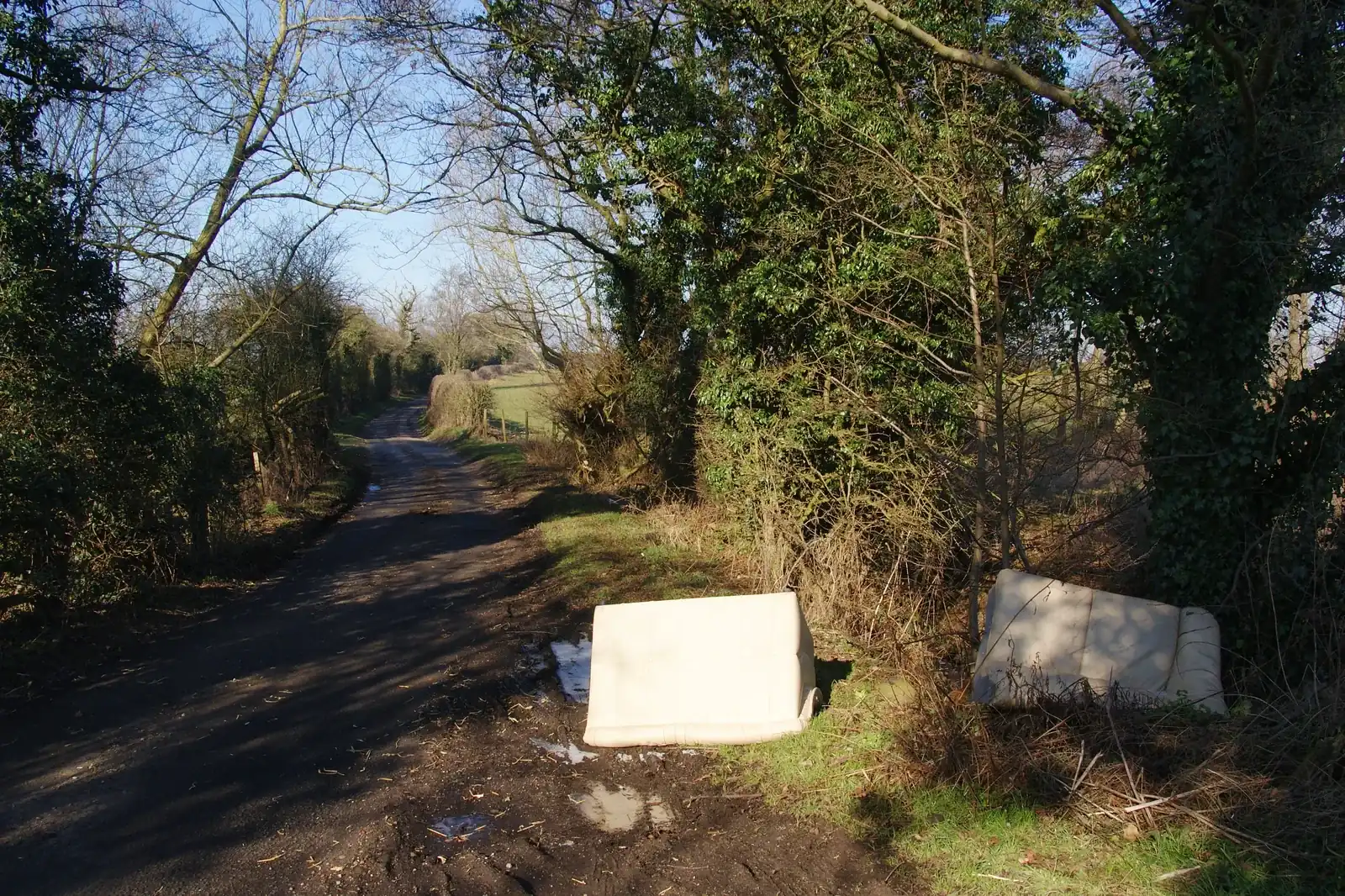
Furniture Removal
Sofas, dressers, tables and bed frames carried out of the room they are in, not the curb you dragged them to.
Learn More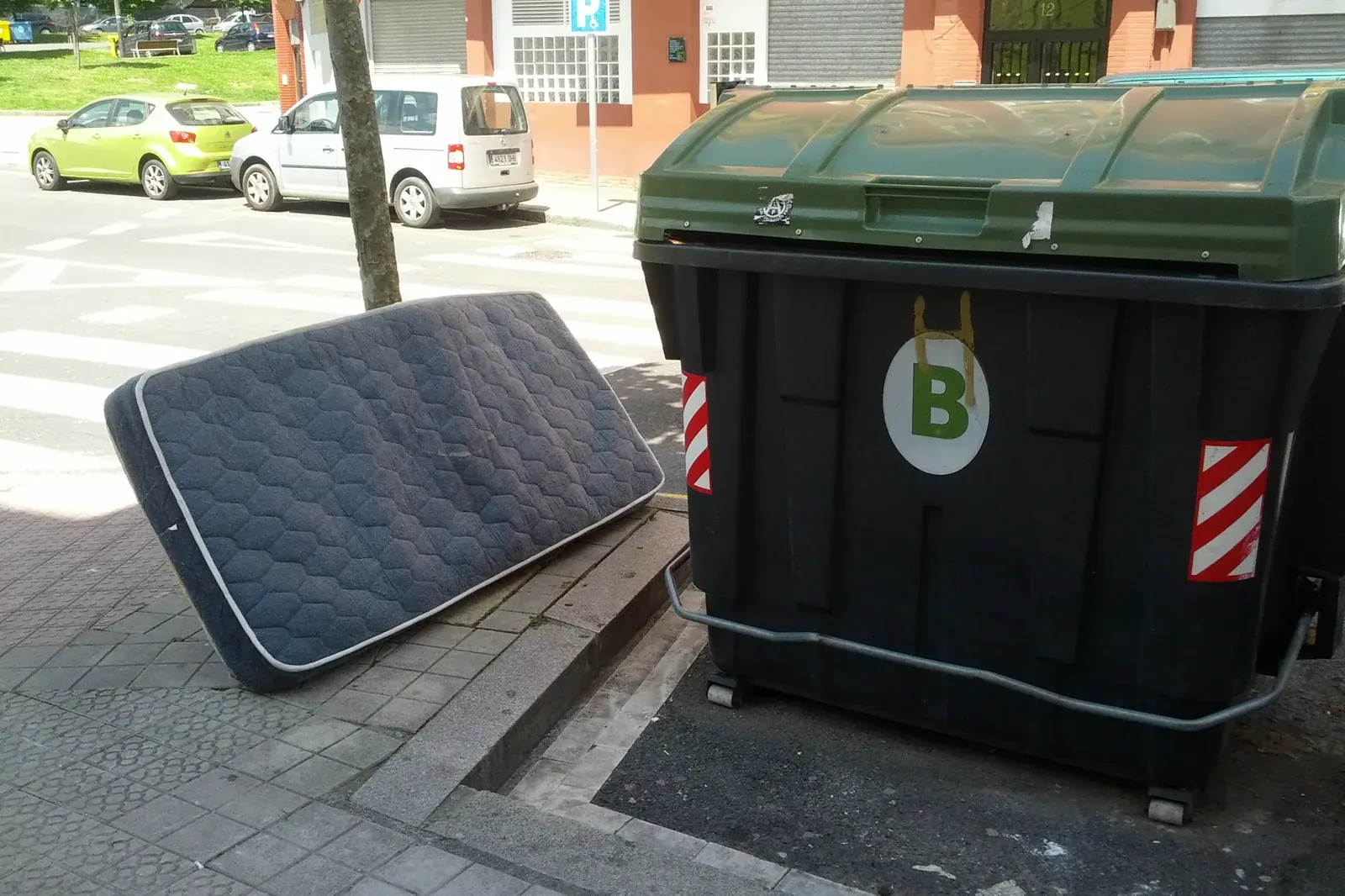
Mattress and Box Spring Removal
You cannot legally put a mattress at the curb in Massachusetts. Here is what actually has to happen to it.
Learn More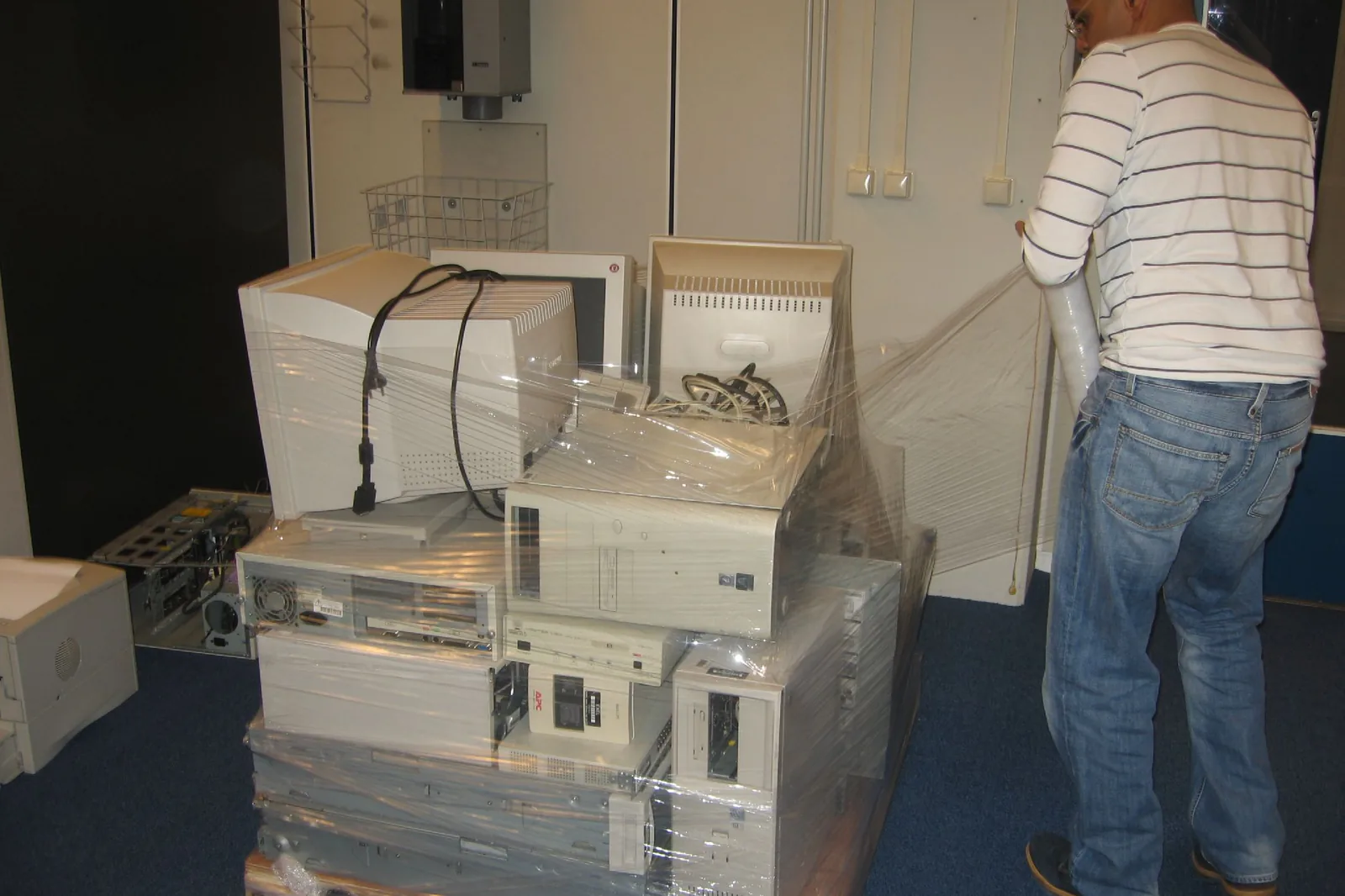
Electronics and TV Removal
Old tube televisions and monitors have been illegal to landfill in Massachusetts for over twenty five years. Most people still do not know.
Learn More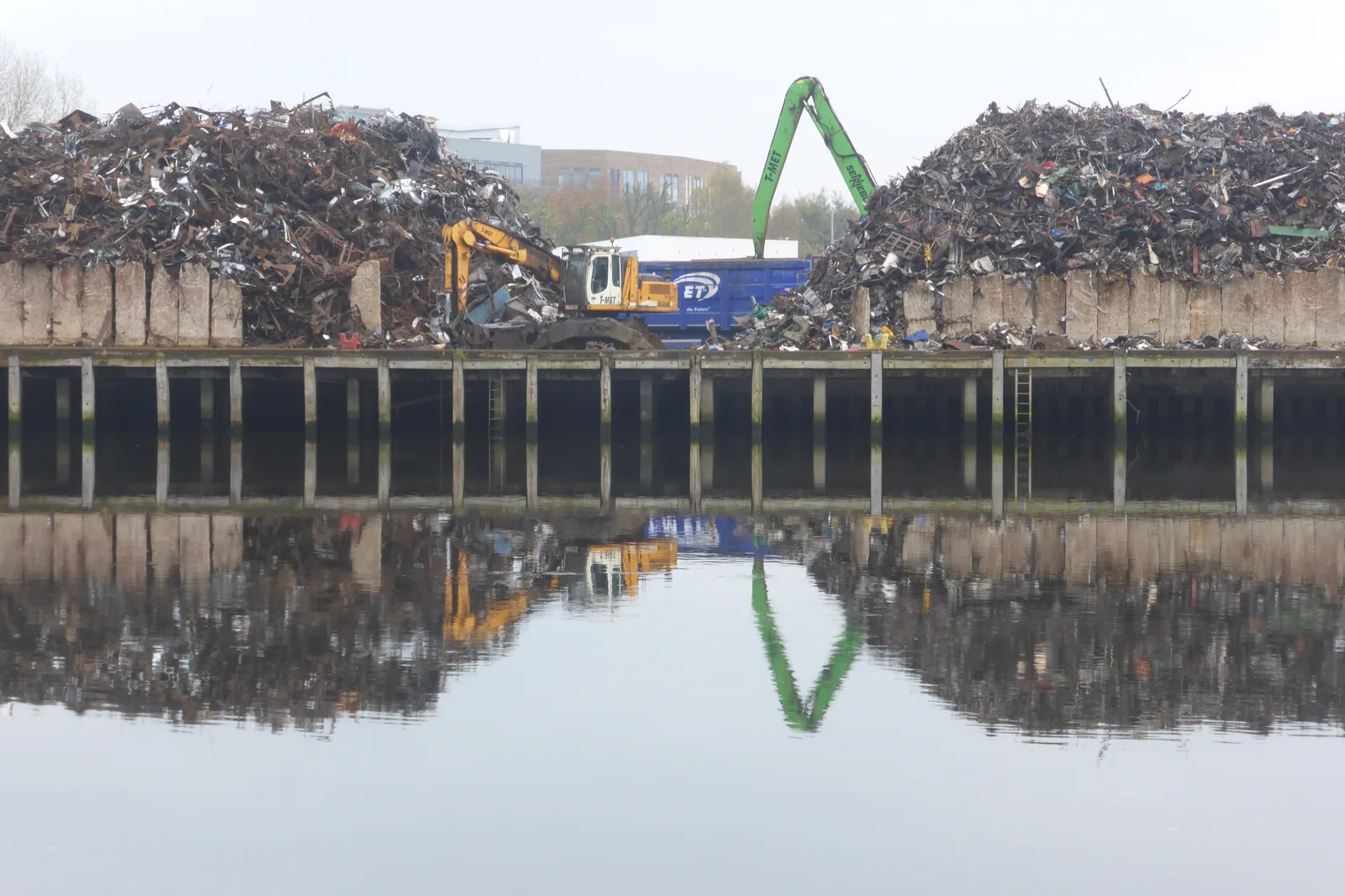
Scrap Metal Removal
Metal is the only thing in a junk pile worth money, which is why it is sometimes the cheapest thing to get rid of.
Learn MoreCarpet Removal
Pulling up old carpet is easy. Dealing with the padding, the tack strips and the volume is the part people underestimate.
Learn MoreExercise Equipment Removal
A treadmill weighs about as much as the person using it, and it is almost always in a basement.
Learn MorePiano Removal
A piano is a cast iron plate wrapped in furniture. The weight is not where you think it is, and that is the whole problem.
Learn MoreTire Disposal
Whole tires have been banned from Massachusetts landfills since 1991. They have to be shredded, and that costs money.
Learn MoreAppliance Removal Near You


Get a free quote from a local junk hauler
Tell us what needs to go. We pass it to one independent hauler who works your town, and they give you a price. No fee, no contract, and nobody else gets your number.
Call Now(413) 505-8565We connect you with independent Western Mass junk haulers. We are not a hauler.