Deck Removal in Chicopee, MA
We connect you with independent Western Mass junk haulers. We are not a hauler.
We connect you with independent Western Mass junk haulers. We are not a hauler.
Deck removal is straightforward carpentry in reverse until it reaches the house. That last connection is the part that turns a demolition job into something that needs doing properly.
Pricing runs roughly $5 to $15 a square foot, so a 200 square foot deck is usually $1,000 to $3,000, and a large multi level one goes well beyond that. Most of the cost is labor and disposal volume, because a deck produces a surprising amount of lumber.
Freestanding decks are simple. Boards up, joists out, posts pulled, footings either left or dug out. A day for most residential sizes, and the pile is predictable.
The ledger board is the whole risk
Most decks are attached to the house by a ledger board bolted through the rim joist, behind the siding. Removing it exposes the structure of your house and whatever flashing was or was not installed underneath. On a deck old enough to be coming off, the answer is often not much, and there is frequently rot behind it. That has to be made watertight the same day, and it is siding and carpentry work rather than hauling. Decide before you book who is doing it, because a crew that pulls a ledger and leaves an open wall has created a much more expensive problem than the one you started with.
Deck Removal Pricing in Western Mass
By Truck Space
Common Add Ons
What The Quote Covers
- Taking up boards, joists, railings and stairs
- Pulling posts
- Sorting timber, composite and metal hardware
- Hauling the whole pile away
- Raking and leveling the ground underneath
What Moves The Price
- Square footage and how many levels
- Whether it is attached to the house
- Timber or composite, which go to different places
- Whether the concrete footings are coming out
- How far the pile has to be carried to the truck
What the pile is made of
Almost all of it is pressure treated lumber, which is handled separately from clean wood because of the preservatives in it. Massachusetts banned wood from landfill disposal on 1 July 2006, so it goes to construction and demolition processing. It is bulky, it is full of nails and screws, and it fills a truck faster than the deck's footprint suggests.
Composite decking is a different material again and does not go to the same place as timber. If the deck is composite, say so, because the disposal route and the cost are not the same.
Then the footings. Concrete piers or sonotubes are heavy and are usually priced separately. Leaving them in the ground is cheaper and is often fine if nothing is going back on the spot. If you are rebuilding, the new build usually wants its own footings anyway.
A word about what is underneath
Decks are excellent habitat. Skunks, groundhogs and occasionally something less welcome live under low decks across this whole region, and a deck coming down in spring is likely to be occupied. It is worth looking before the day rather than finding out with a pry bar in hand.
How Deck Removal Actually Goes
Size, and is it attached
Square footage, levels, and whether it is bolted to the house. That last one changes the whole job.
Decide about the wall
If there is a ledger board, agree who makes the house watertight afterwards. Do not leave this open.
Permit question
Larger or attached structures often need a demolition permit under 780 CMR. Ask your building department.
Taken apart
Railings, boards, joists, then posts. Sorted as it comes, because timber and composite go different places.
Ground cleared
Raked level, nails picked up. Footings gone or left, depending on what you agreed.
What Can Delay It
- Rot found behind the ledger board, which is common and needs carpentry
- No agreement about who closes up the house wall
- Concrete footings that turn out to be much larger than expected
- Animals living underneath, especially in spring
What Speeds It Up
- Clearing furniture, planters and the grill off it first
- Deciding about footings before the crew arrives
- Having a carpenter lined up for the house wall if there is a ledger
- Making the permit call early
Deck Removal Questions
How much does deck removal cost?
−What is a ledger board and why does it matter?
+Will the hauler fix the wall afterwards?
+Do I need a permit?
+Do the concrete footings have to come out?
+Is composite decking treated differently?
+How long does it take?
+Something is living under my deck. Does that stop the job?
+Other Jobs We Cover
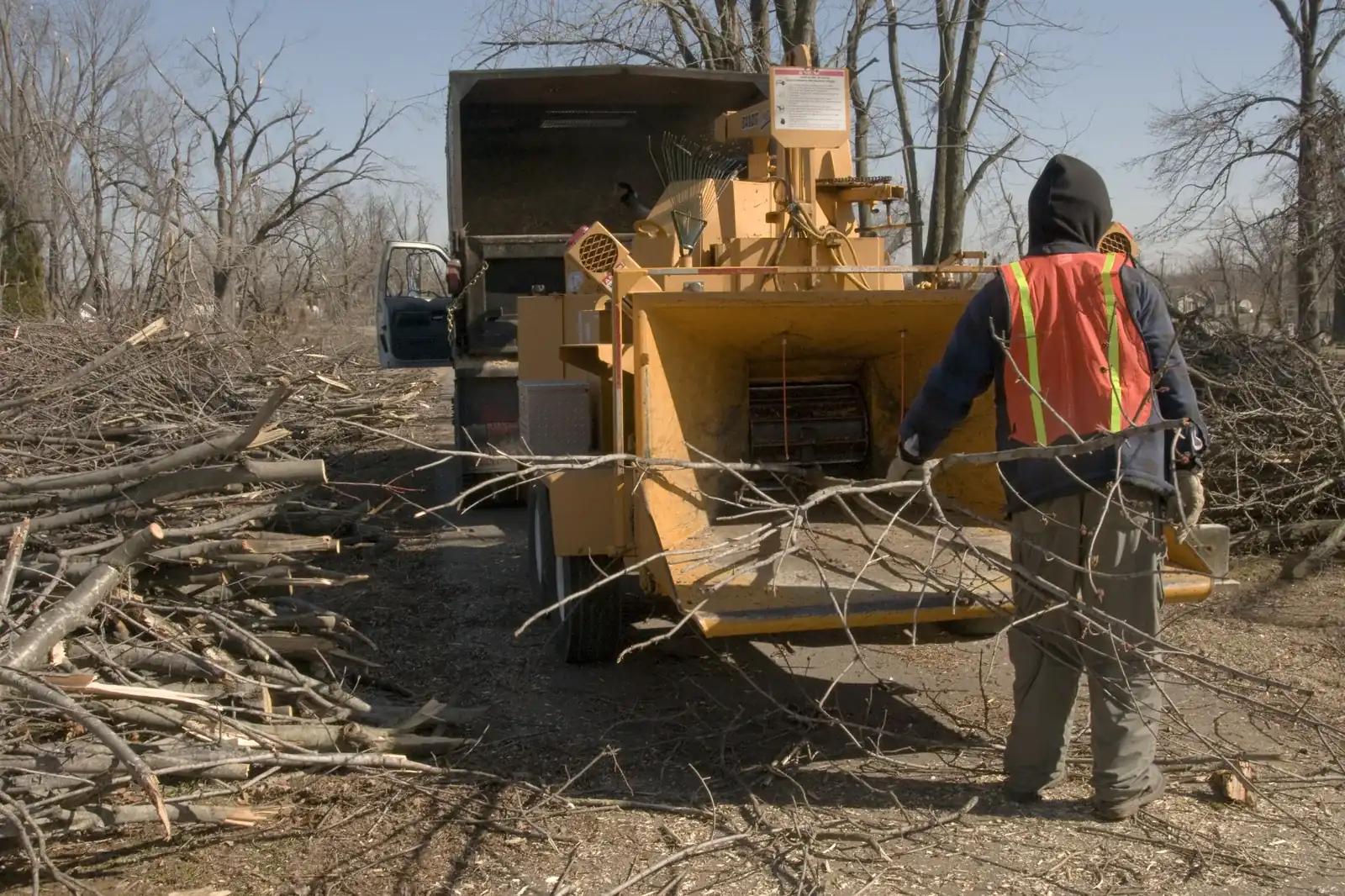
Yard Waste and Brush Removal
Branches, brush and storm debris. Banned from Massachusetts landfills since the early nineties, so it gets composted or chipped.
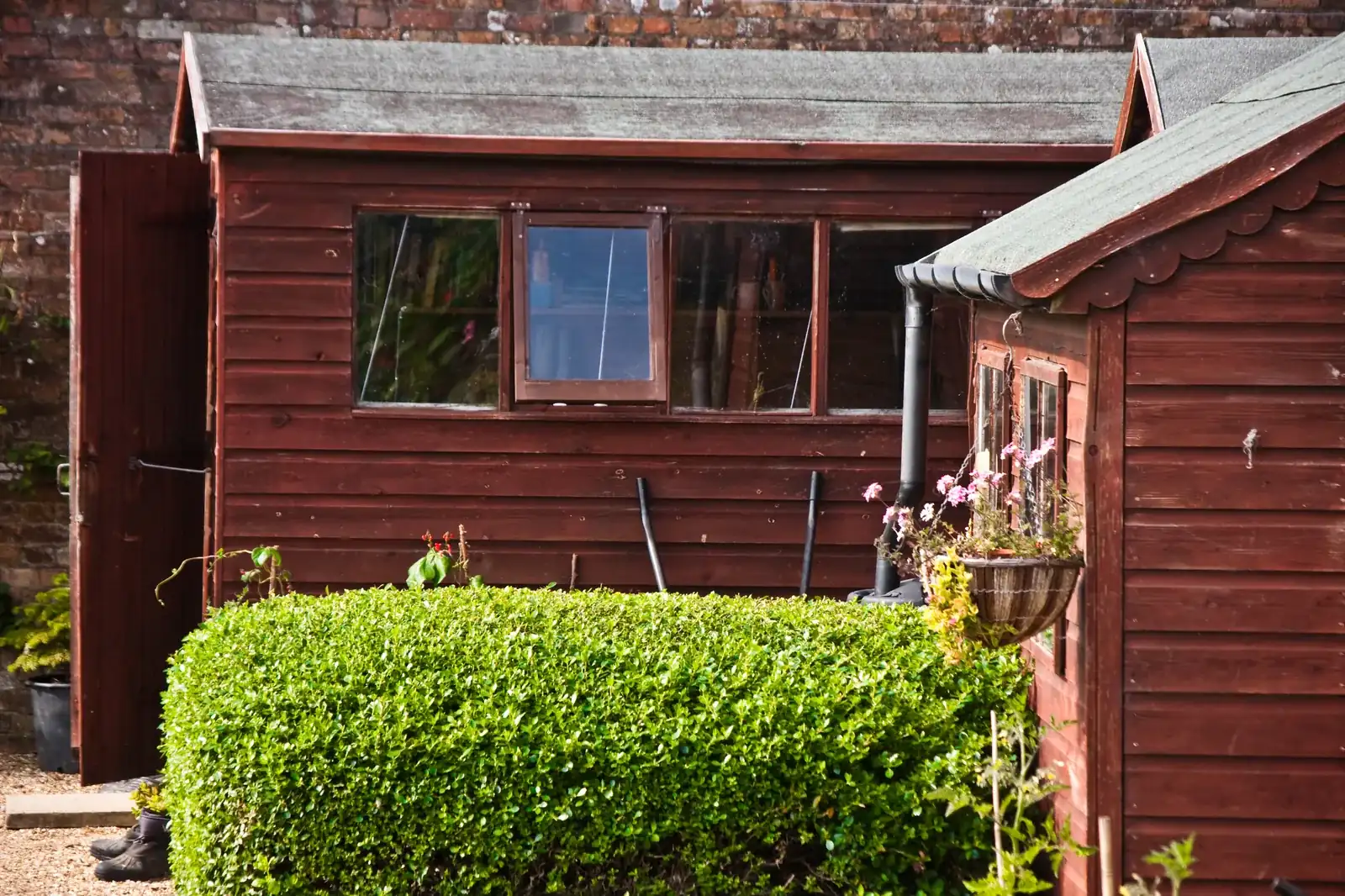
Learn MoreShed Removal and Demolition
Taking a garden shed apart and hauling it, including whatever has been living in it for fifteen years.
Learn MoreAbove Ground Pool Removal
Draining, dismantling and hauling an above ground pool, and dealing with the dead circle of lawn it leaves behind.
Learn MorePlayset and Swing Set Removal
Taking down a wooden or metal swing set, including the concrete the legs are set into.
Learn MoreHot Tub Removal
Draining, disconnecting and removing a hot tub, including the electrical work that has to happen first.
Learn MoreLight Demolition
Taking down small non structural things and hauling the result. Not the same as a demolition contractor.
Learn More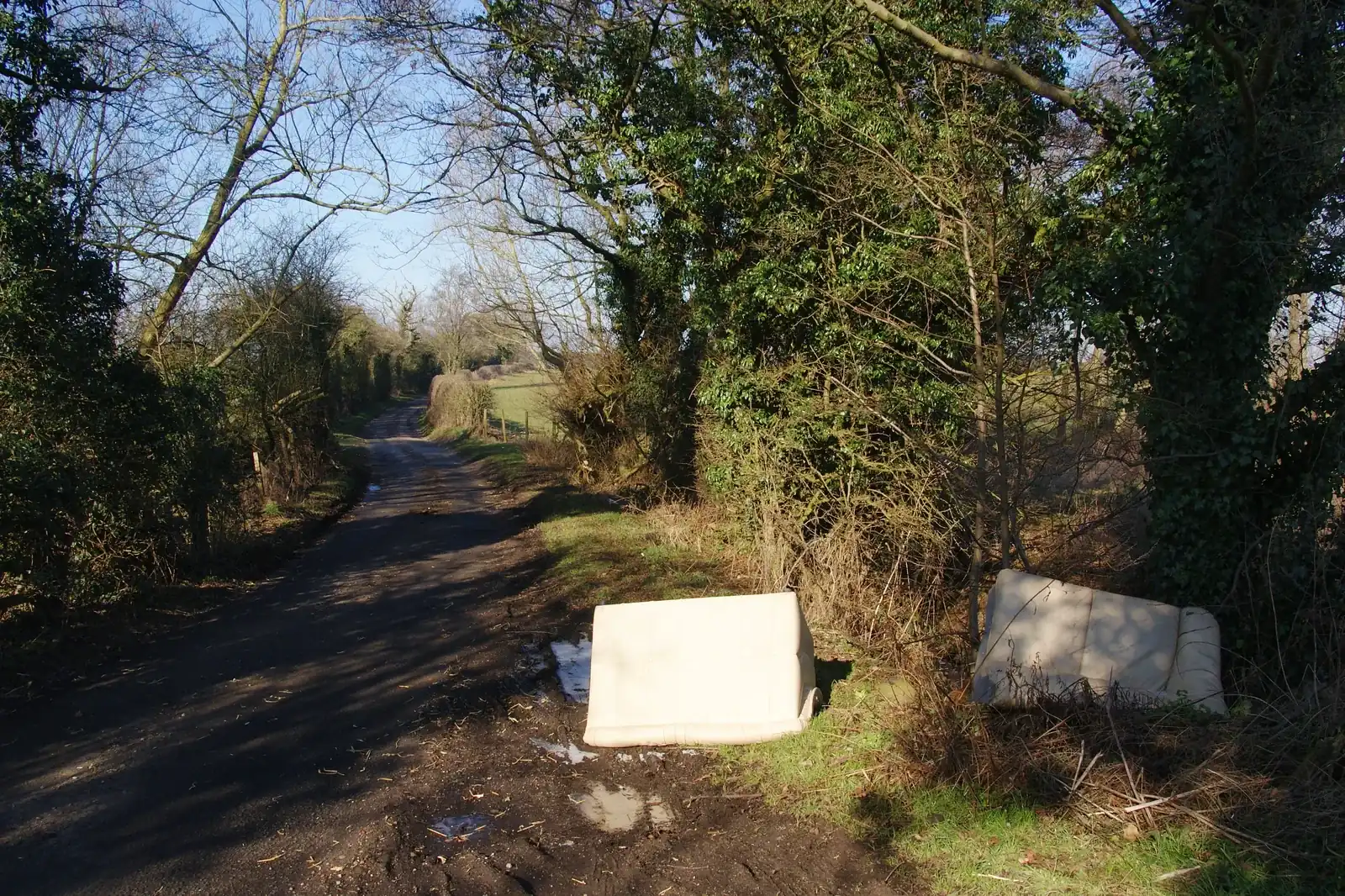
Furniture Removal
Sofas, dressers, tables and bed frames carried out of the room they are in, not the curb you dragged them to.
Learn More
Mattress and Box Spring Removal
You cannot legally put a mattress at the curb in Massachusetts. Here is what actually has to happen to it.
Learn MoreDeck Removal Near You



Get a free quote from a local junk hauler
Tell us what needs to go. We pass it to one independent hauler who works your town, and they give you a price. No fee, no contract, and nobody else gets your number.
Call Now(413) 505-8565We connect you with independent Western Mass junk haulers. We are not a hauler.