Electronics and TV Removal in Chicopee, MA
We connect you with independent Western Mass junk haulers. We are not a hauler.
We connect you with independent Western Mass junk haulers. We are not a hauler.
Cathode ray tubes, the old style tube televisions and computer monitors, were banned from disposal in Massachusetts on 1 April 2000. That is one of the earliest such bans in the country, and it has been in force for more than twenty five years.
The regulation is worth reading carefully, because of who it binds. 310 CMR 19.017 says that on the effective date of the restriction, all persons shall segregate CRTs from the solid waste stream. Not just landfills. All persons. That is the legal basis for a hauler handling electronics separately rather than mixing them in.
The definition in 310 CMR 19.006 covers any intact, broken or processed glass tube used to provide a visual display. So a smashed monitor is still covered. A flat screen is not a CRT, but it still contains materials that belong at a certified processor rather than a landfill.
Why there is a fee for something being recycled
A single CRT holds roughly four pounds of leaded glass. There is very little end market for leaded glass, so processing one costs money rather than earning it. That is the honest reason electronics recycling has a fee attached, and why any offer of free e-waste recycling deserves a question about where it actually goes. Municipal drop off fees around here run from nothing to about $50 an item, with roughly $20 being common for a television.
Electronics Removal Pricing in Western Mass
By Truck Space
Common Add Ons
What The Quote Covers
- Televisions, monitors, computers and small electronics
- The certified processor fee
- Carrying a heavy console or projection set out
- Sorting into the right recycling streams
- Data destruction if you ask for it
What Moves The Price
- How many screens, because those carry the highest fees
- Whether it is a CRT, which is the expensive one
- The weight and size of a console or projection set
- Stairs from a basement or attic
- Whether batteries and bulbs are mixed in
The part nobody thinks about until afterwards
Data. Any computer, laptop, phone, tablet, printer with a hard drive, or smart television has storage in it. A certified processor will normally offer data destruction, either wiping or physically shredding the drive, and will give you a certificate if you ask. If that matters to you, pull the drive out first or ask for it in writing. Do not assume.
Weight. A rear projection television or a console set from the eighties is one of the heaviest single items in a house, sometimes well over two hundred pounds in a cabinet that offers nothing to grip. These need two people and a plan for the stairs, not one person and optimism.
Sorting. A pile of electronics is usually several categories at once. Televisions and monitors are one route, small electronics another, batteries a third, and lamps and bulbs a fourth because of the mercury. A hauler who takes the lot and sorts it afterwards is doing you a favor, because doing it yourself means several trips to several places.
What a Western Mass household usually has
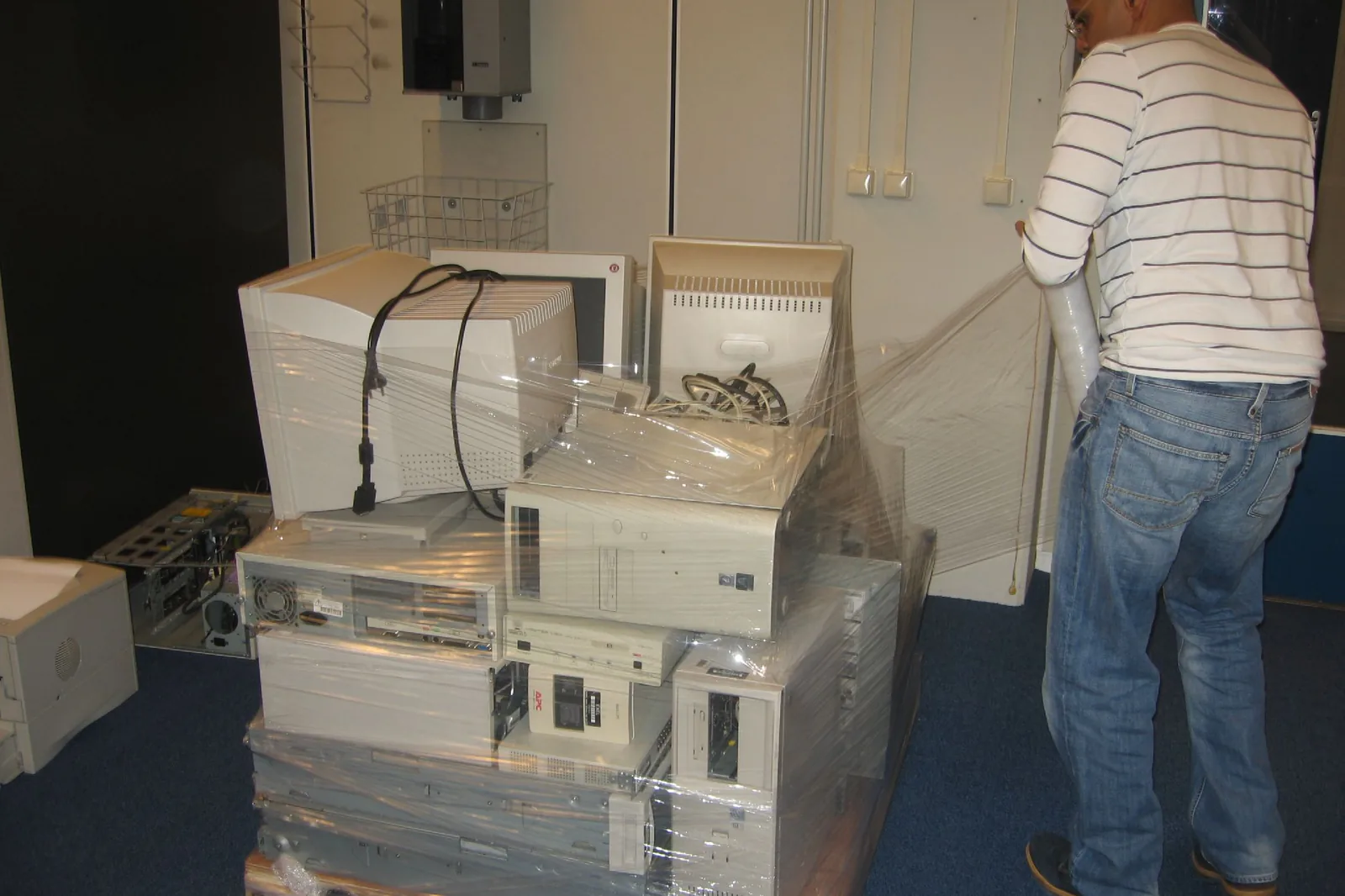
In a region with a lot of long tenure homeownership and mill era housing, the typical call is a basement or attic that has collected two decades of it. A tube television nobody wanted to pay to get rid of in 2008, a beige desktop, a stack of monitors, a printer, and a box of cables. That is a normal load, and it goes in one trip.
How Electronics Removal Actually Goes
Count the screens
Televisions and monitors carry the fee. Everything else is usually minor by comparison.
Deal with your data
Pull hard drives from computers, or ask for destruction in writing. Wipe phones and tablets.
Price confirmed
Usually per screen plus a small amount for the rest, rather than pure truck volume.
Loaded and sorted
Screens one way, small electronics another, batteries and bulbs separately.
What Can Delay It
- A projection television that needs a second person and a stair plan
- Finding the data question was never settled
- Batteries or fluorescent tubes mixed in that need separate handling
What Speeds It Up
- Stacking it all in one place before they arrive
- Knowing the screen count in advance
- Adding an appliance or furniture to the same trip to use the minimum charge
Electronics Removal Questions
Can I throw away an old television in Massachusetts?
−What about a flat screen?
+Why is there a charge to recycle electronics?
+Is my data safe?
+Does a broken monitor still count?
+Can they take the whole basement pile?
+What about batteries and light bulbs?
+How heavy is an old projection TV?
+Other Jobs We Cover
Furniture Removal
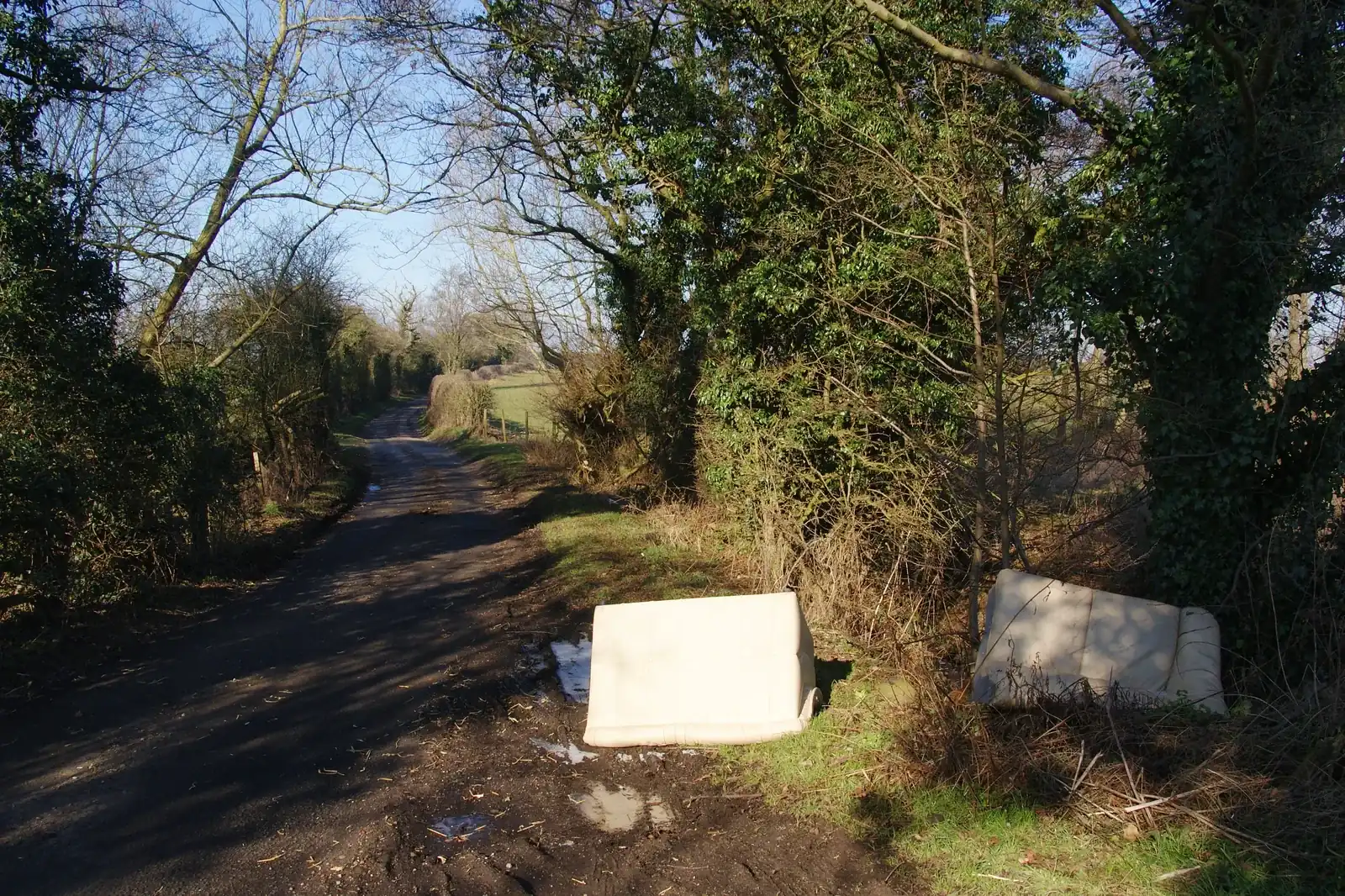
Sofas, dressers, tables and bed frames carried out of the room they are in, not the curb you dragged them to.
Learn More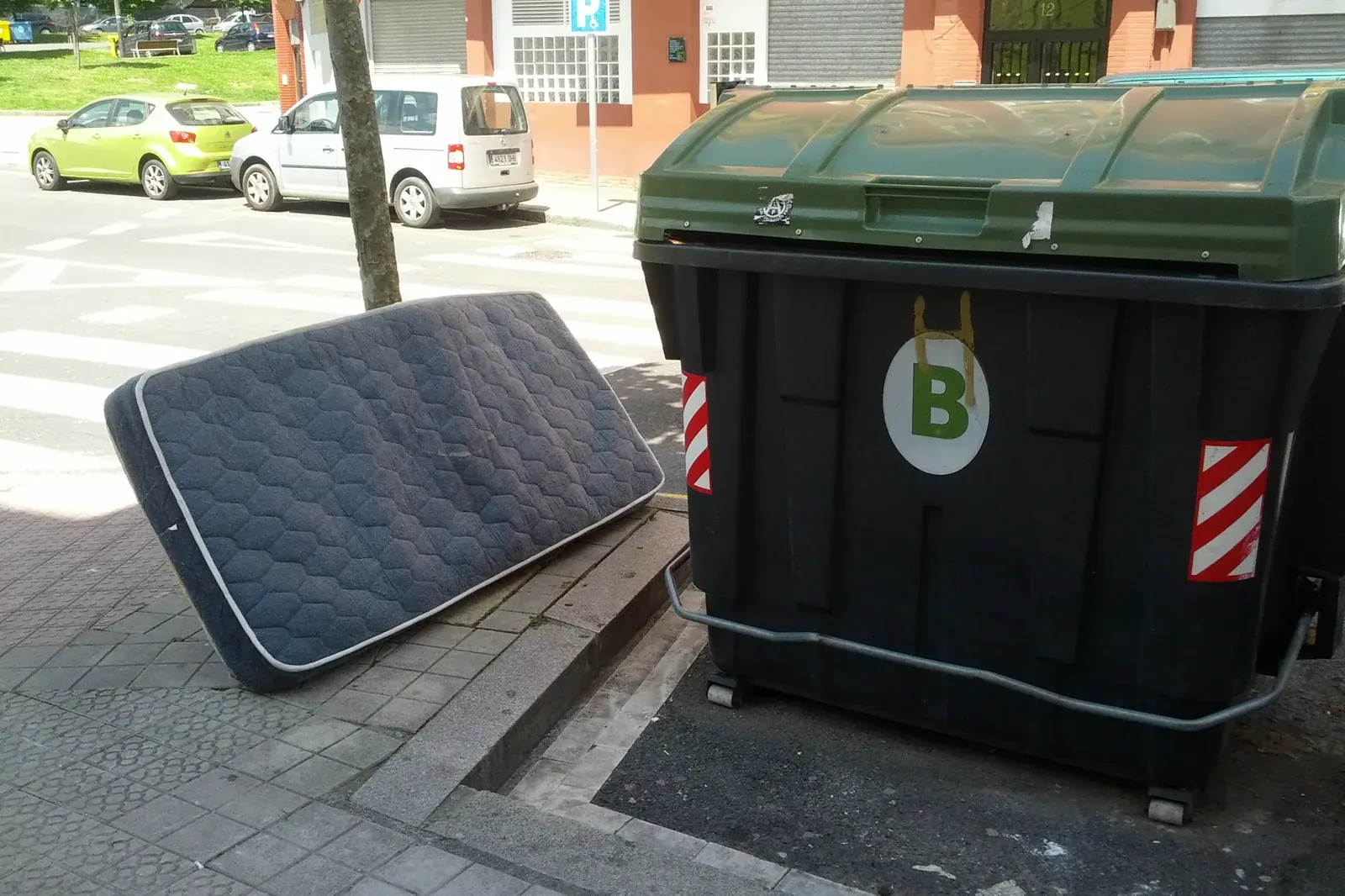
Mattress and Box Spring Removal
You cannot legally put a mattress at the curb in Massachusetts. Here is what actually has to happen to it.
Learn More
Appliance Removal
Large appliances have been banned from Massachusetts landfills since 1991, and anything with refrigerant has a federal rule on top.
Learn More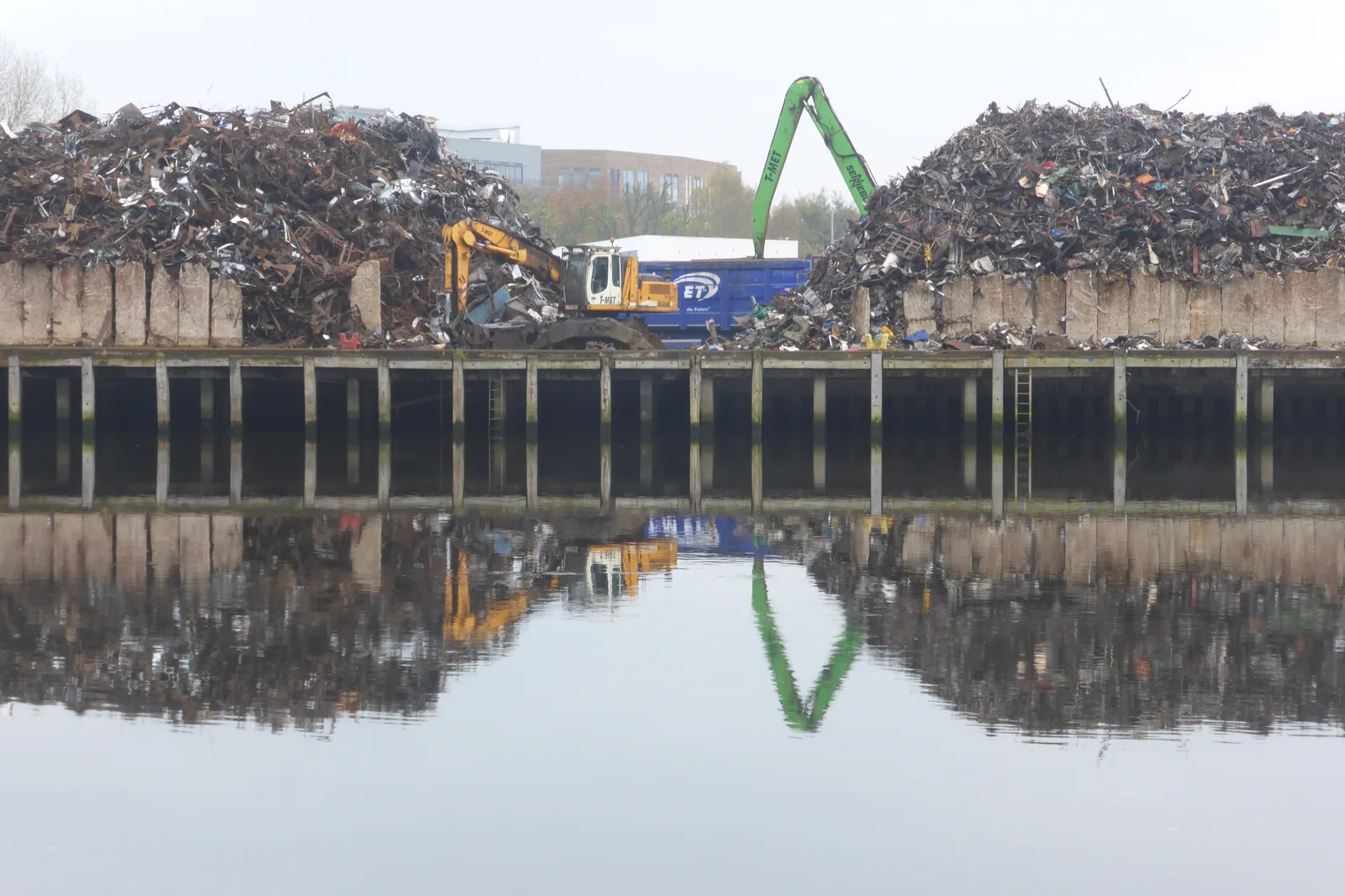
Scrap Metal Removal
Metal is the only thing in a junk pile worth money, which is why it is sometimes the cheapest thing to get rid of.
Learn MoreCarpet Removal
Pulling up old carpet is easy. Dealing with the padding, the tack strips and the volume is the part people underestimate.
Learn MoreExercise Equipment Removal
A treadmill weighs about as much as the person using it, and it is almost always in a basement.
Learn MorePiano Removal
A piano is a cast iron plate wrapped in furniture. The weight is not where you think it is, and that is the whole problem.
Learn MoreTire Disposal
Whole tires have been banned from Massachusetts landfills since 1991. They have to be shredded, and that costs money.
Learn MoreElectronics Removal Near You



Get a free quote from a local junk hauler
Tell us what needs to go. We pass it to one independent hauler who works your town, and they give you a price. No fee, no contract, and nobody else gets your number.
Call Now(413) 505-8565We connect you with independent Western Mass junk haulers. We are not a hauler.