Restaurant and Retail Cleanout in Chicopee, MA
We connect you with independent Western Mass junk haulers. We are not a hauler.
We connect you with independent Western Mass junk haulers. We are not a hauler.
A restaurant or retail cleanout is the heaviest commercial job of the lot, because commercial kitchen equipment is built to a completely different standard from anything in a house.
A commercial range is stainless steel and cast iron and can weigh five hundred pounds. A walk in cooler is a modular panel box that has to be dismantled panel by panel. Prep tables, hoods, dish machines, three compartment sinks and reach in refrigerators are all heavy, awkward and often bolted or plumbed in.
Retail is lighter but more numerous. Shelving and gondola runs, display cases, counters, racks, mannequins, signage and fitting rooms. The volume is high and it comes apart quickly, so it is more about truckloads than about weight.
Everything has to be disconnected first
Gas lines to ranges and fryers, electrical to hoods and refrigeration, water and drain to sinks and dish machines. All of that needs a qualified trade before a hauler touches it, and gas in particular is not negotiable. Booking the disconnections is what sets the date on these jobs, not the truck.
Restaurant Cleanout Pricing in Western Mass
By Truck Space
Common Add Ons
What The Quote Covers
- Cooking equipment, refrigeration and stainless steel
- Walk in cooler panels dismantled
- Shelving, counters, display cases and racking
- Refrigerant recovery arranged for every unit
- Stainless steel to scrap
- Broom clean for the landlord
What Moves The Price
- How much refrigeration there is, because each unit has a fee
- Whether disconnections have been done
- Grease condition in the hood and ducting
- Whether the walk in is coming out
- Access, dock, lift and street parking
- How much food is left on site
Refrigeration is the expensive part
Every reach in, every walk in, and every prep table with a cooler underneath contains refrigerant. Federal law under EPA Clean Air Act section 608 requires a certified technician to recover it before the unit is scrapped. On a full kitchen that can be six or eight separate units, and the fees add up.
The upside is that commercial kitchen equipment is almost entirely stainless steel, which is good scrap. Massachusetts has banned metals from disposal since 2006 so it is going to a yard regardless, and the scrap value does take some of the sting out of the bill.
Grease is the unpleasant part. Hoods, ducting and fryers hold a great deal of it, it gets on everything, and a hood that has not been cleaned properly for years is genuinely hard to handle. Say what condition it is in when you call so the crew brings what they need.
The food waste rule that applies directly here
This is the one commercial rule that bites restaurants specifically. Massachusetts has banned commercial organic material from disposal since October 2014 for generators of one ton a week, and on 1 November 2022 that threshold was halved to half a ton a week. That change pulled a large number of restaurants into scope. For a closing business the immediate issue is what is left in the walk in, which cannot simply go in a dumpster and needs an organics route.
How Restaurant Cleanout Actually Goes
Book the disconnections
Gas, electrical, water and drain. Gas especially is not something a hauler can or should touch.
Deal with the food
Anything left in the walk in needs an organics route. Massachusetts bans commercial food waste from disposal.
Count the refrigeration
Every unit with refrigerant needs certified recovery, and on a full kitchen that is six or eight fees.
Stripped out
Equipment, then fittings, then shelving. Walk in panels come apart rather than coming out whole.
Broom clean
Handover standard, which for a commercial lease is usually written into the agreement.
What Can Delay It
- Gas or electrical still live on the day
- A walk in cooler nobody planned to dismantle
- Heavy grease that needs a different approach
- Food left on site with no organics collection arranged
What Speeds It Up
- Booking the disconnection trades before the hauler
- Selling or auctioning the good equipment first
- Emptying the walk in and dry store in advance
- Reserving loading access and street parking
Restaurant Cleanout Questions
How much does a restaurant cleanout cost?
−Do the gas and electrical need disconnecting first?
+Can they take a walk in cooler?
+What about the food left in the kitchen?
+Should we sell the equipment first?
+Is the stainless steel worth anything?
+The hood is very greasy. Is that a problem?
+How long does a full kitchen take?
+Other Jobs We Cover
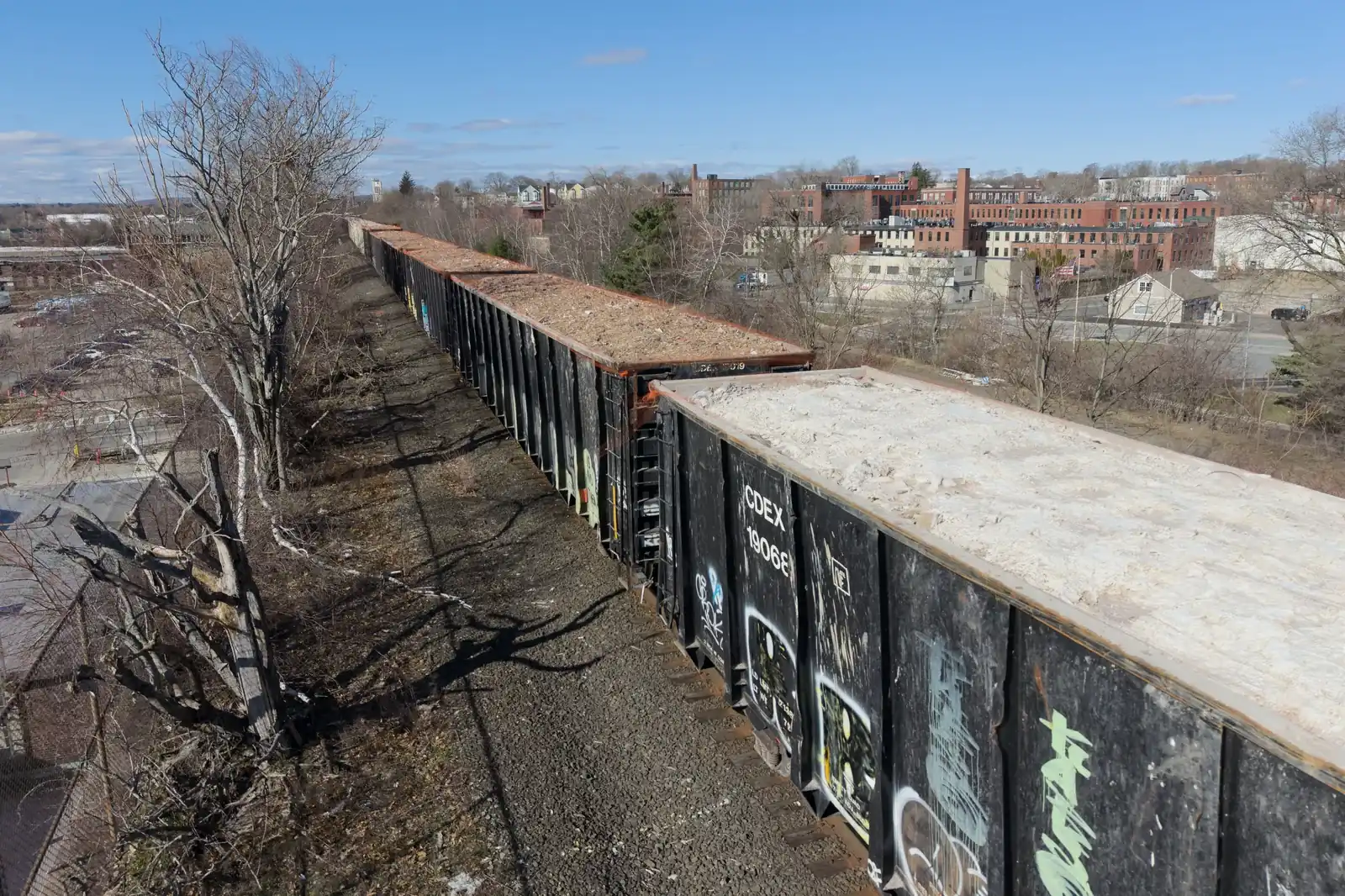
Construction and Renovation Debris Removal
Renovation debris is dense, and Massachusetts banned most of it from landfills years ago. Both of those change the price.
Learn MoreCommercial and Office Cleanout
Clearing an office, a unit or a whole floor, usually outside business hours and usually to a lease deadline.
Learn More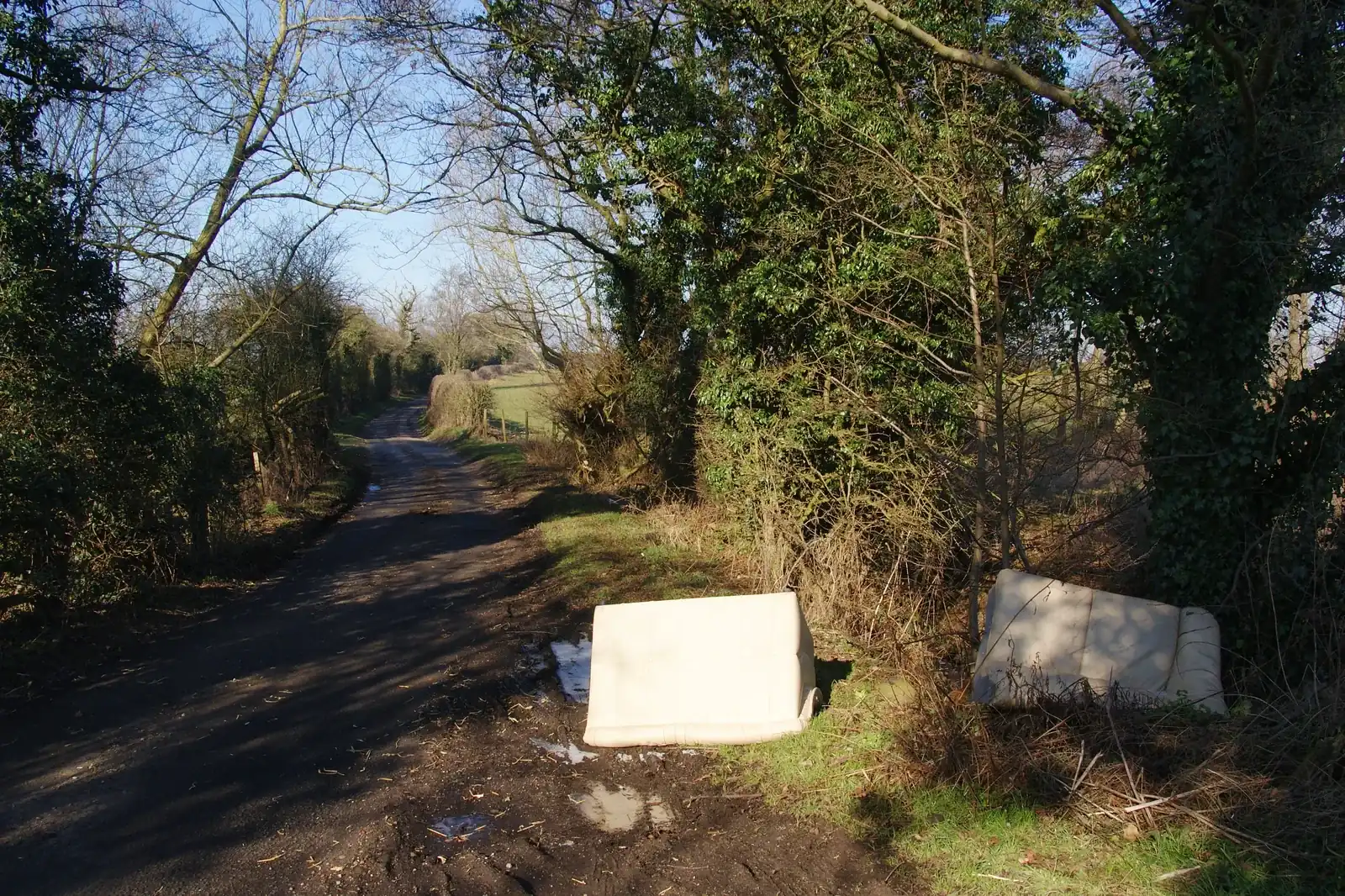
Furniture Removal
Sofas, dressers, tables and bed frames carried out of the room they are in, not the curb you dragged them to.
Learn More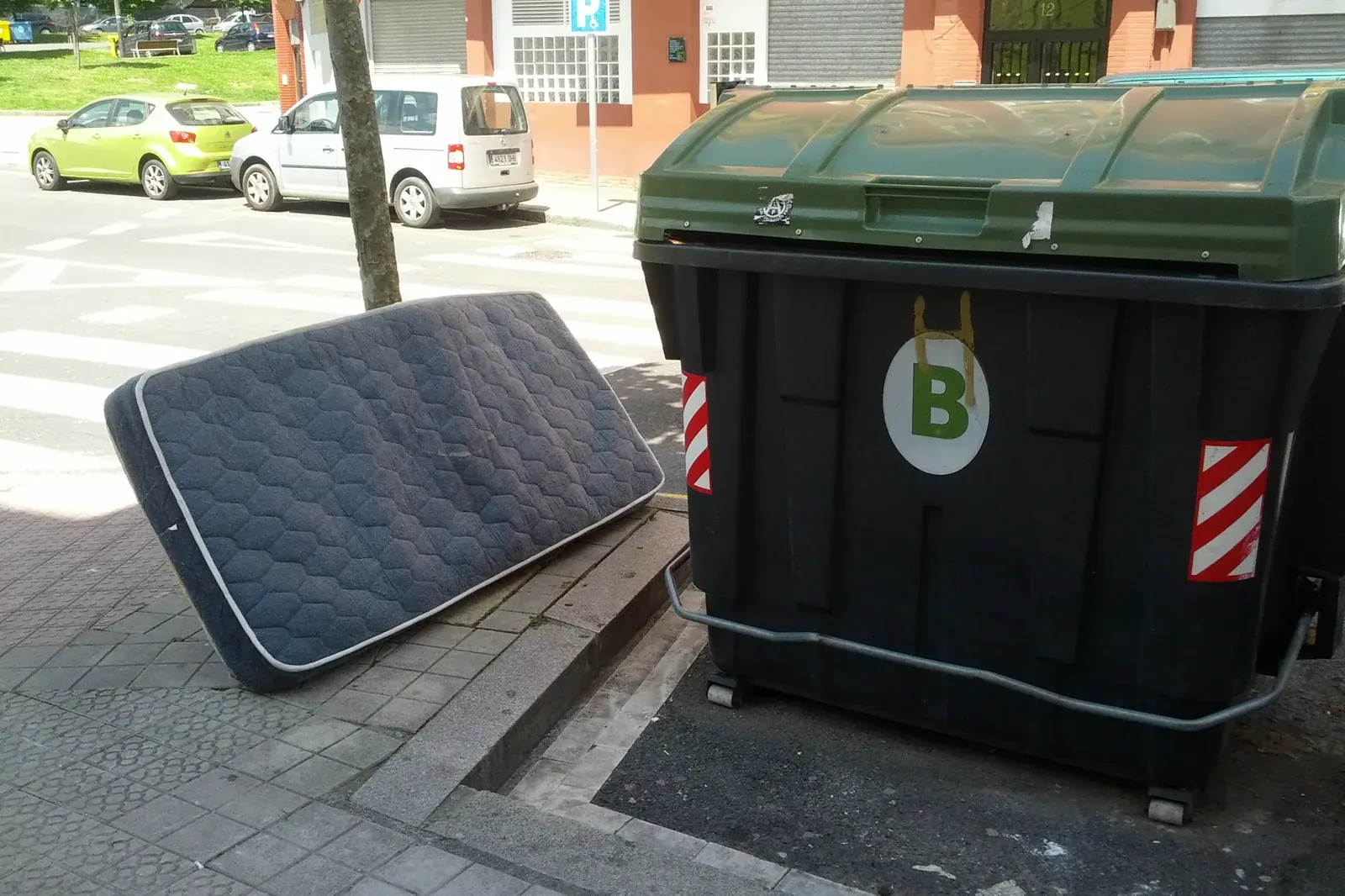
Mattress and Box Spring Removal
You cannot legally put a mattress at the curb in Massachusetts. Here is what actually has to happen to it.
Learn More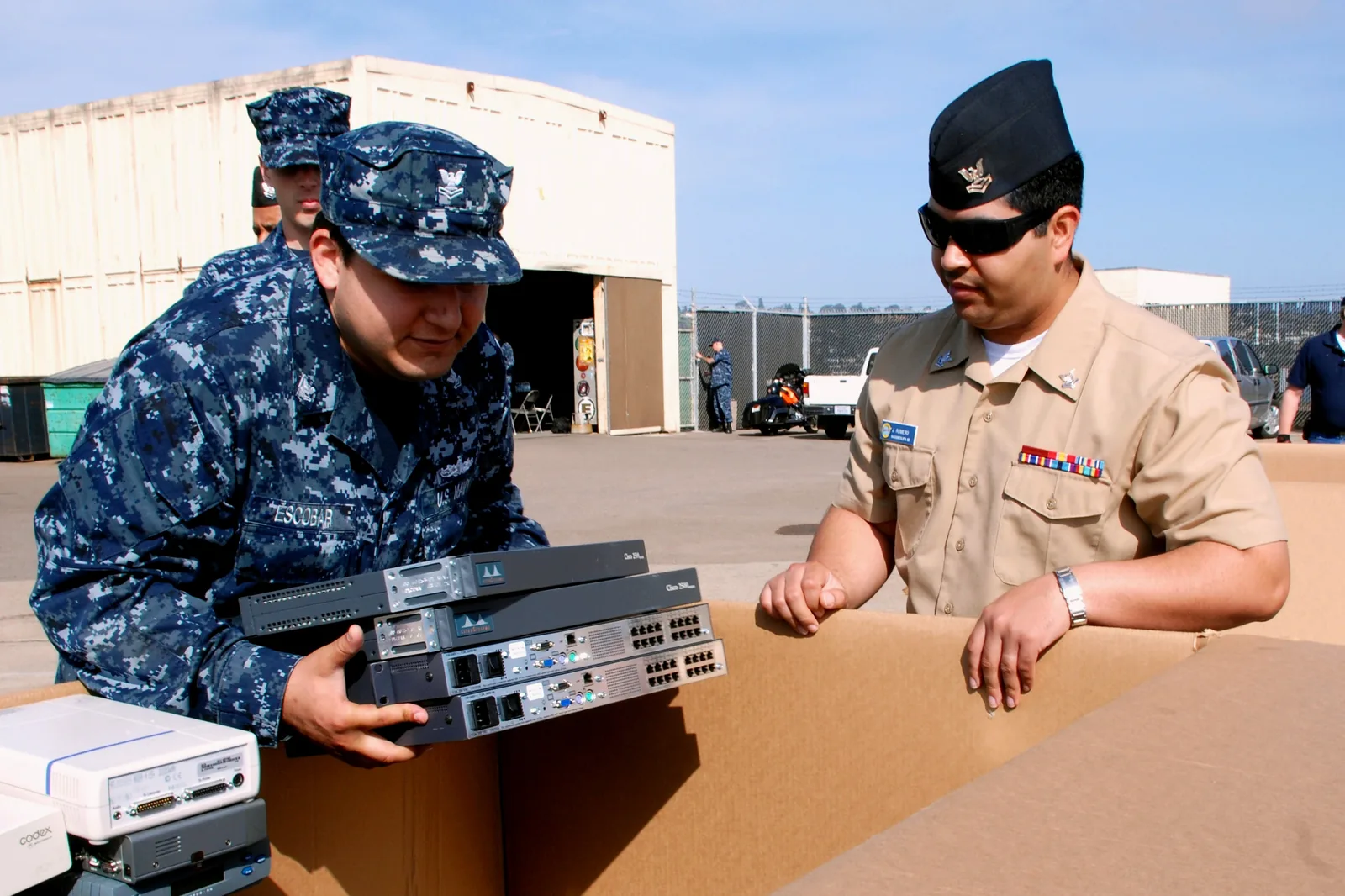
Appliance Removal
Large appliances have been banned from Massachusetts landfills since 1991, and anything with refrigerant has a federal rule on top.
Learn More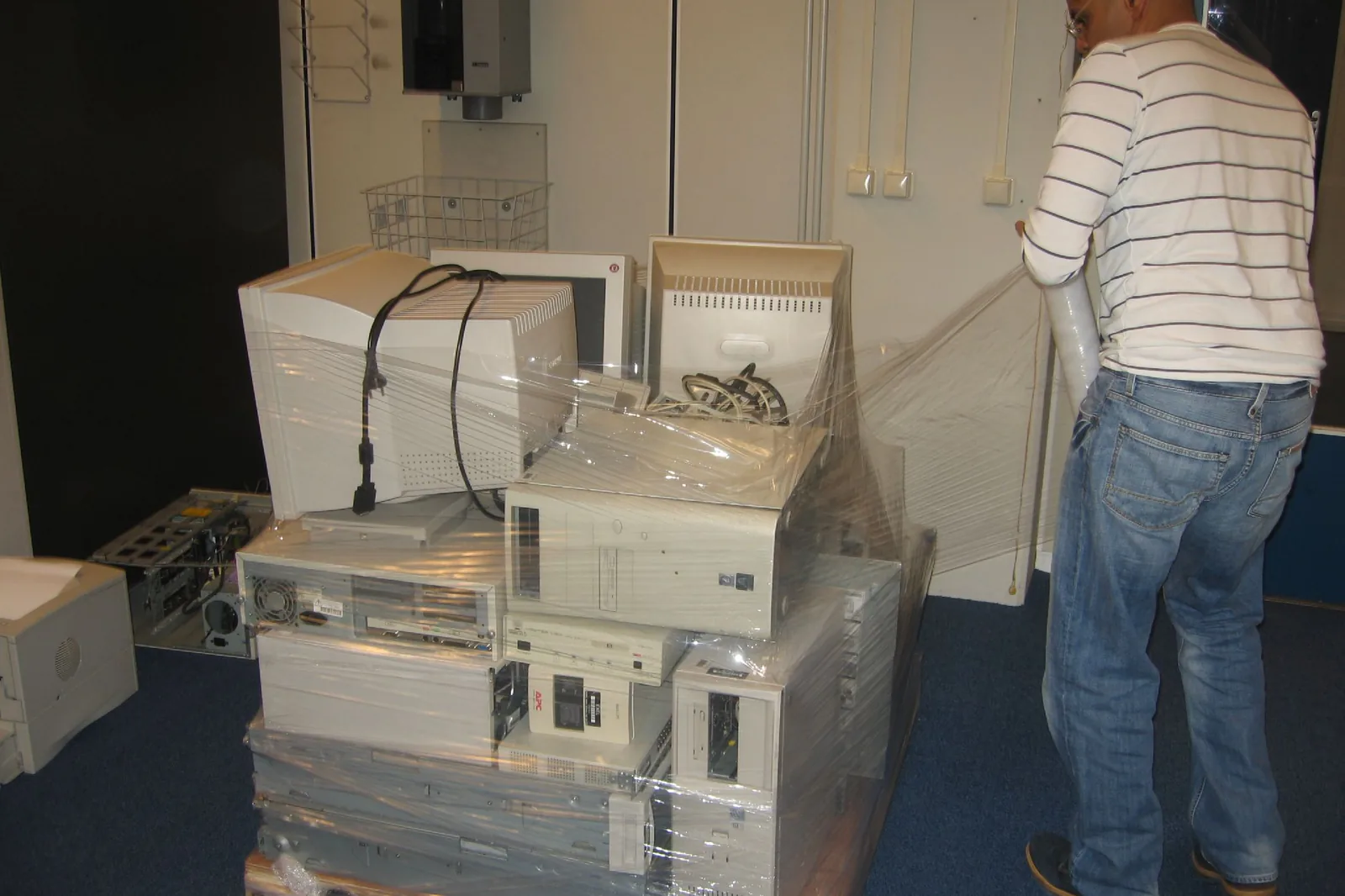
Electronics and TV Removal
Old tube televisions and monitors have been illegal to landfill in Massachusetts for over twenty five years. Most people still do not know.
Learn More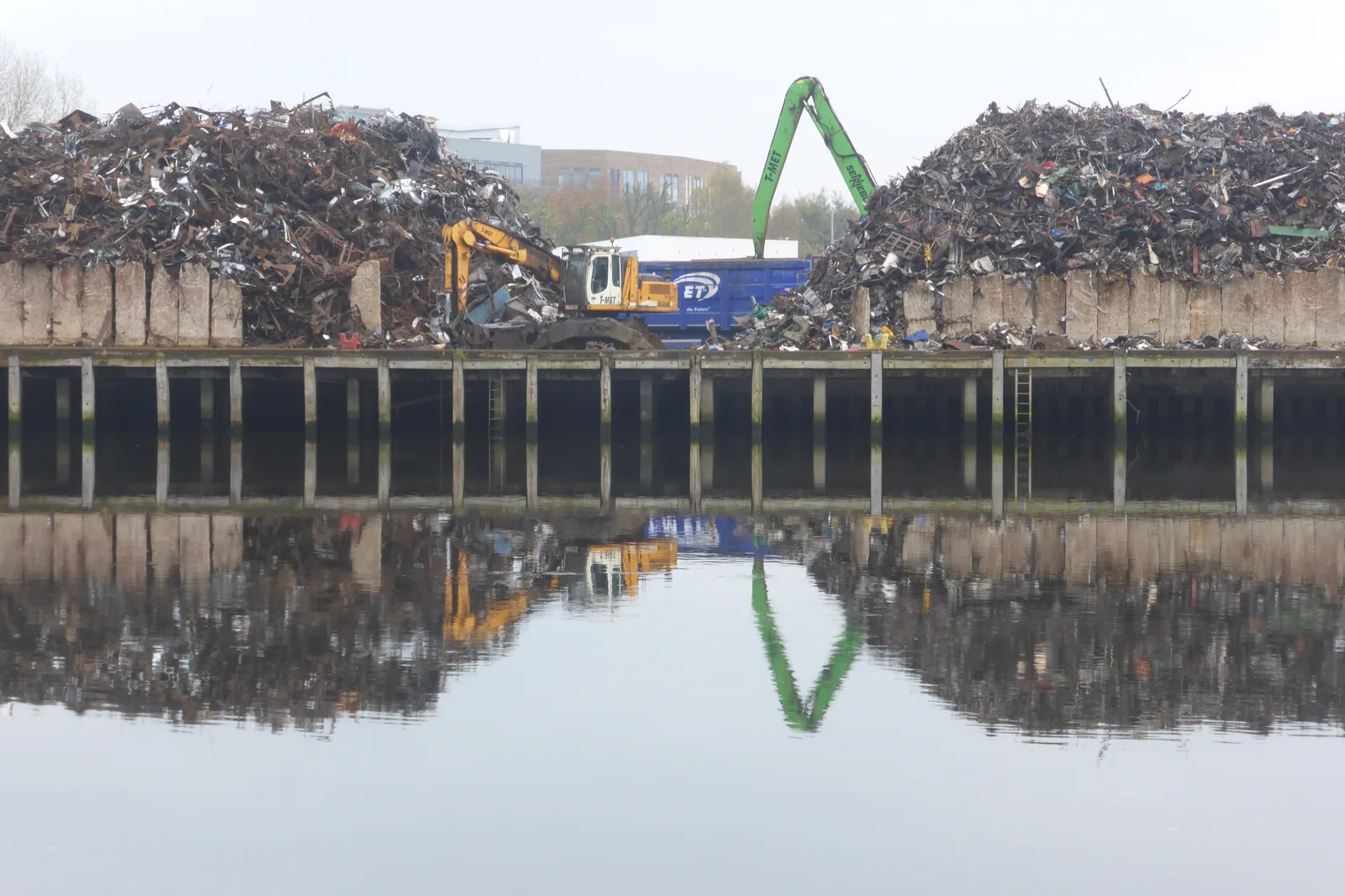
Scrap Metal Removal
Metal is the only thing in a junk pile worth money, which is why it is sometimes the cheapest thing to get rid of.
Learn MoreCarpet Removal
Pulling up old carpet is easy. Dealing with the padding, the tack strips and the volume is the part people underestimate.
Learn MoreRestaurant Cleanout Near You


Get a free quote from a local junk hauler
Tell us what needs to go. We pass it to one independent hauler who works your town, and they give you a price. No fee, no contract, and nobody else gets your number.
Call Now(413) 505-8565We connect you with independent Western Mass junk haulers. We are not a hauler.