Tire Disposal in Chicopee, MA
We connect you with independent Western Mass junk haulers. We are not a hauler.
We connect you with independent Western Mass junk haulers. We are not a hauler.
Tires are one of the oldest items on the Massachusetts disposal ban list. Whole tires have been banned from landfills since 31 December 1991 and from transfer facilities since 1 April 2000, under 310 CMR 19.017.
The reason is physical rather than chemical. A whole tire traps air, so buried in a landfill it works its way back to the surface over time and breaks the cap. They also collect water and breed mosquitoes, and a tire fire is close to impossible to put out. So the rule is that they have to be shredded before any landfill disposal, which means processing, which means a fee.
Expect roughly $5 to $20 a tire around here. Rims on rather than off usually costs more, because the steel has to be separated at the processor. A set of four off the rims is a small charge added to another job. A pile of thirty in a garage is its own trip.
Where they end up
Shredded, then either burned as tire derived fuel in industrial boilers or ground into crumb rubber. Crumb rubber goes into playground surfaces, running tracks, athletic fields and asphalt rubber road surfacing. It is one of the better recycling stories on the ban list, because the end market is real rather than theoretical.
Tire Disposal Pricing in Western Mass
By Truck Space
Common Add Ons
What The Quote Covers
- Loading and hauling the tires
- The per tire processing fee
- Car, light truck and motorcycle tires
- Rims separated where needed
- Delivery to a tire processor rather than a transfer station
What Moves The Price
- How many tires
- Whether they are still on the rims
- Size, because truck tires cost more than car tires
- Anything oversized, like tractor or equipment tires
- Whether they are part of a larger load or a trip on their own
Why there is usually a pile
Tires accumulate because there is no easy way to get rid of one. A tire shop will take your old ones when they fit new ones, usually for a small fee built into the price. But a set you took off yourself, or a set that came with a used car, or the ones the previous owner left in the garage, have nowhere obvious to go.
That is why the classic call is a garage or barn cleanout where tires are part of a bigger pile. It is worth counting them and saying the number, because they are priced per tire on top of the load rather than by the space they take up.
Farm and equipment tires are a different conversation entirely. A tractor tire is enormous, filled with fluid in many cases, and processors charge a great deal more for them. In the rural parts of Franklin County and the hilltowns this comes up more than you would expect, and it needs a specific quote.
Check your town first
Some transfer stations in this region accept a small number of tires from residents for a per tire fee, often lower than a hauler would charge. If you have four and a car and a transfer station sticker, that is the cheaper route and we would rather say so. If you have thirty, or no way to move them, that is when a truck makes sense.
How Tire Disposal Actually Goes
Count them and check the rims
The number and whether they are mounted are the two things that set the price.
Priced per tire
Usually a flat per tire fee on top of the load rather than truck volume, because they are a known cost.
Loaded
Quick unless they are buried at the back of a barn under thirty years of other things.
Shredded at a processor
Then burned as tire derived fuel or ground into crumb rubber for tracks and playgrounds.
What Can Delay It
- Oversized farm or equipment tires that need a special quote
- Tires filled with water, which are far heavier than expected
- A pile buried under everything else in the barn
What Speeds It Up
- Counting them before you call
- Getting them out to a driveway if you can
- Adding them to a garage cleanout rather than making them their own trip
Tire Disposal Questions
Can I put tires in the trash in Massachusetts?
−How much does tire disposal cost?
+Why are tires banned?
+What happens to them?
+Should I take them to the transfer station instead?
+Do they take tires with rims on?
+What about tractor or equipment tires?
+Can I burn them or bury them on my property?
+Other Jobs We Cover
Furniture Removal
Sofas, dressers, tables and bed frames carried out of the room they are in, not the curb you dragged them to.
Learn More
Mattress and Box Spring Removal
You cannot legally put a mattress at the curb in Massachusetts. Here is what actually has to happen to it.
Learn More
Appliance Removal
Large appliances have been banned from Massachusetts landfills since 1991, and anything with refrigerant has a federal rule on top.
Learn More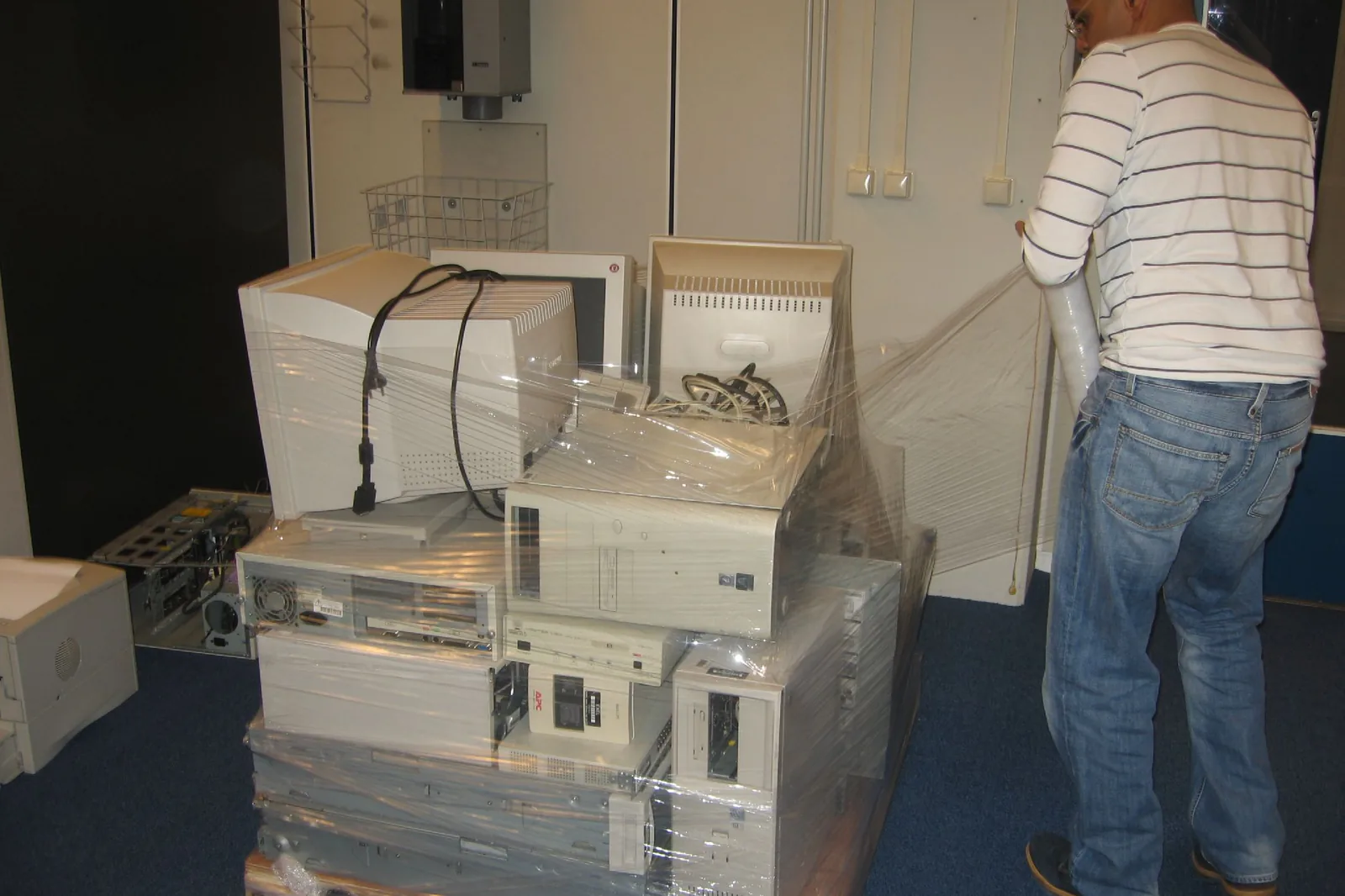
Electronics and TV Removal
Old tube televisions and monitors have been illegal to landfill in Massachusetts for over twenty five years. Most people still do not know.
Learn MoreScrap Metal Removal
Metal is the only thing in a junk pile worth money, which is why it is sometimes the cheapest thing to get rid of.
Learn MoreCarpet Removal
Pulling up old carpet is easy. Dealing with the padding, the tack strips and the volume is the part people underestimate.
Learn MoreExercise Equipment Removal
A treadmill weighs about as much as the person using it, and it is almost always in a basement.
Learn MorePiano Removal
A piano is a cast iron plate wrapped in furniture. The weight is not where you think it is, and that is the whole problem.
Learn MoreTire Disposal Near You



Get a free quote from a local junk hauler
Tell us what needs to go. We pass it to one independent hauler who works your town, and they give you a price. No fee, no contract, and nobody else gets your number.
Call Now(413) 505-8565We connect you with independent Western Mass junk haulers. We are not a hauler.