Hot Tub Removal in Chicopee, MA
We connect you with independent Western Mass junk haulers. We are not a hauler.
We connect you with independent Western Mass junk haulers. We are not a hauler.
A hot tub looks like it should be liftable and it is not. Empty, a typical one weighs 500 to 900 pounds, and the shell is a rigid acrylic bowl with no useful handholds anywhere on it.
Full, it is far worse. A tub holding 400 gallons carries over 3,300 pounds of water. Nobody moves one full, so draining is the first step and it takes a couple of hours with a submersible pump or considerably longer with a garden hose siphon.
Costs run $150 to $800 with most jobs around $400. An inflatable tub is $120 to $300 and barely a job. A hard shell above ground unit is $250 to $500. An in ground or partly sunk installation goes up to about $1,100, because it becomes a demolition job rather than a removal.
The electrical part is not the hauler's job
Almost all hot tubs are hardwired to a dedicated 240 volt circuit with a disconnect box nearby. That has to be properly disconnected and made safe by an electrician before anyone touches the tub. It is not a plug you pull out. A hauler should refuse to move a tub that is still connected, and one who offers to deal with the wiring themselves is telling you something about how they work.
Hot Tub Removal Pricing in Western Mass
By Truck Space
Common Add Ons
What The Quote Covers
- Cutting the shell down to movable sections
- Removing the cabinet, frame, pump and heater
- Metal separated for scrap
- Carrying everything out to the truck
- Sweeping up the insulation debris
What Moves The Price
- Size, and whether it is inflatable, above ground or sunk
- Whether it has been drained already
- Whether the electrical disconnect has been done
- Access, gates, steps and corners
- Whether it sits on a deck or a pad
How it actually comes out
Usually in pieces. A whole tub rarely fits through a gate, around a house corner, or onto a truck without difficulty, so most crews cut the shell into sections with a saw once it is drained. That sounds drastic and it is normal, and it is far safer than six people trying to walk a 700 pound bowl down a walkway.
Underneath the shell is a cabinet, a frame, a pump, a heater and a great deal of spray foam insulation. The foam is the messy part, it goes everywhere, and it is worth expecting a bit of cleanup after.
If the tub is on a deck, that raises a separate question about whether the deck section under it is sound, because a filled tub is a very heavy point load and decks built to carry one are not always built well. Occasionally taking the tub out reveals a problem that needs a carpenter.
Where the material goes, honestly
Not much of it is recycled. The acrylic and fibreglass shell has no meaningful recycling route and goes to a transfer station. The frame, pump, heater and any metal go to scrap, which is required anyway under the Massachusetts metals ban. The foam insulation is waste. This is one of the jobs where the honest answer is that most of it is disposal, and anyone claiming otherwise should be asked where exactly it goes.
How Hot Tub Removal Actually Goes
Book an electrician
The 240 volt circuit has to be properly disconnected and made safe. This is not a hauler's job.
Drain it
A submersible pump takes a couple of hours. Keep the water away from storm drains and septic.
Size and access
Above ground or sunk, and what the route out looks like. Gates and corners decide how small it gets cut.
Cut and carried
Shell cut into sections, cabinet and frame apart, pump and heater out. Metal separated for scrap.
Cleaned up
Spray foam insulation gets everywhere. The pad or deck underneath gets swept.
What Can Delay It
- A tub still wired in when the crew arrives
- A tub still full of water
- No route out that a cut section will fit through
- Finding the deck underneath is not sound
What Speeds It Up
- Getting the electrician done first
- Draining completely a day or two before
- Taking off the steps, cover and cover lifter
- Measuring the narrowest point on the route out
Hot Tub Removal Questions
How much does hot tub removal cost?
−Do I need an electrician first?
+How heavy is a hot tub?
+Do they cut it up?
+Do I have to drain it myself?
+Is any of it recycled?
+Mine is on a deck. Does that change anything?
+What about the concrete pad underneath?
+Other Jobs We Cover
Yard Waste and Brush Removal
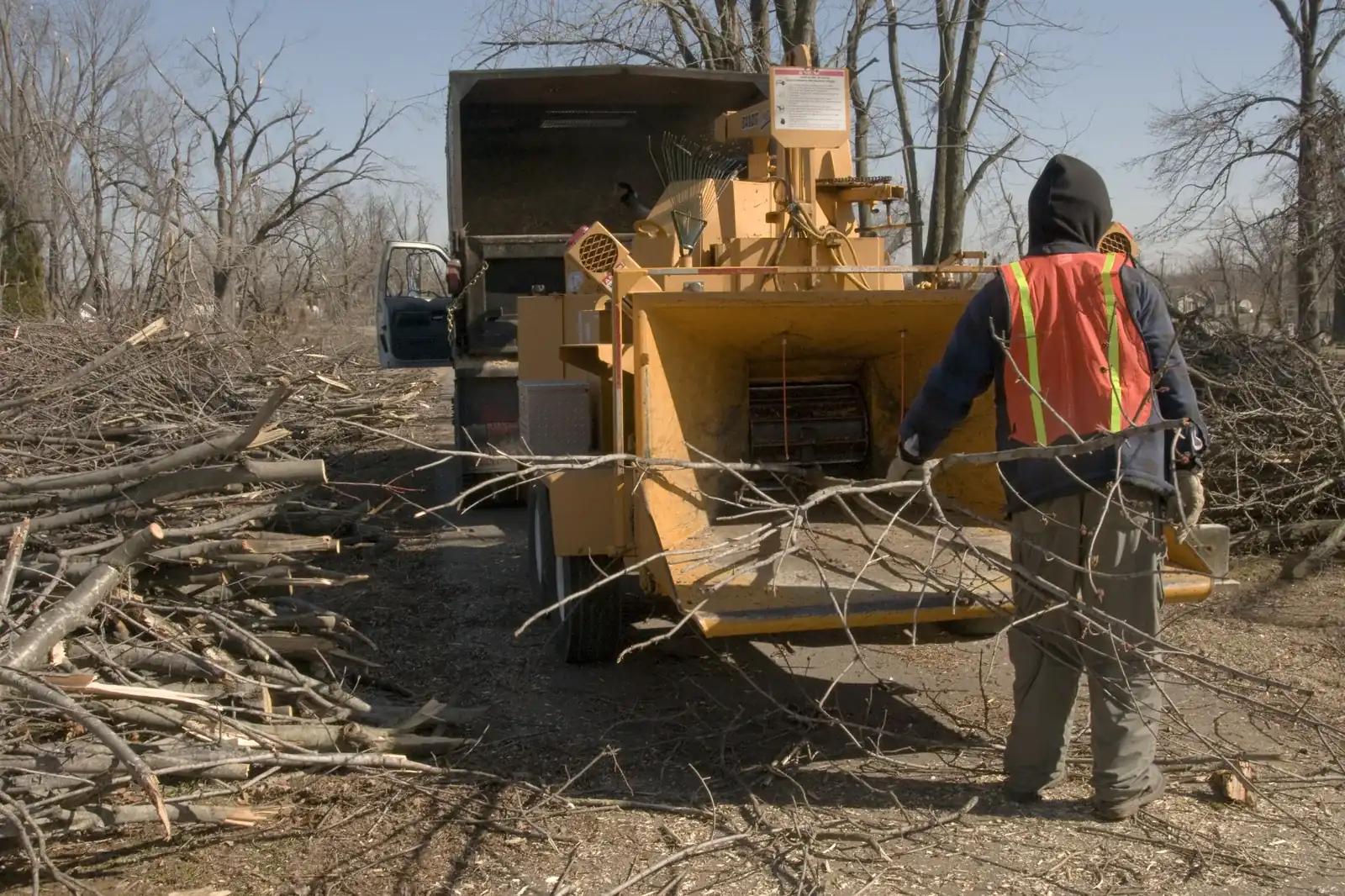
Branches, brush and storm debris. Banned from Massachusetts landfills since the early nineties, so it gets composted or chipped.
Learn MoreShed Removal and Demolition
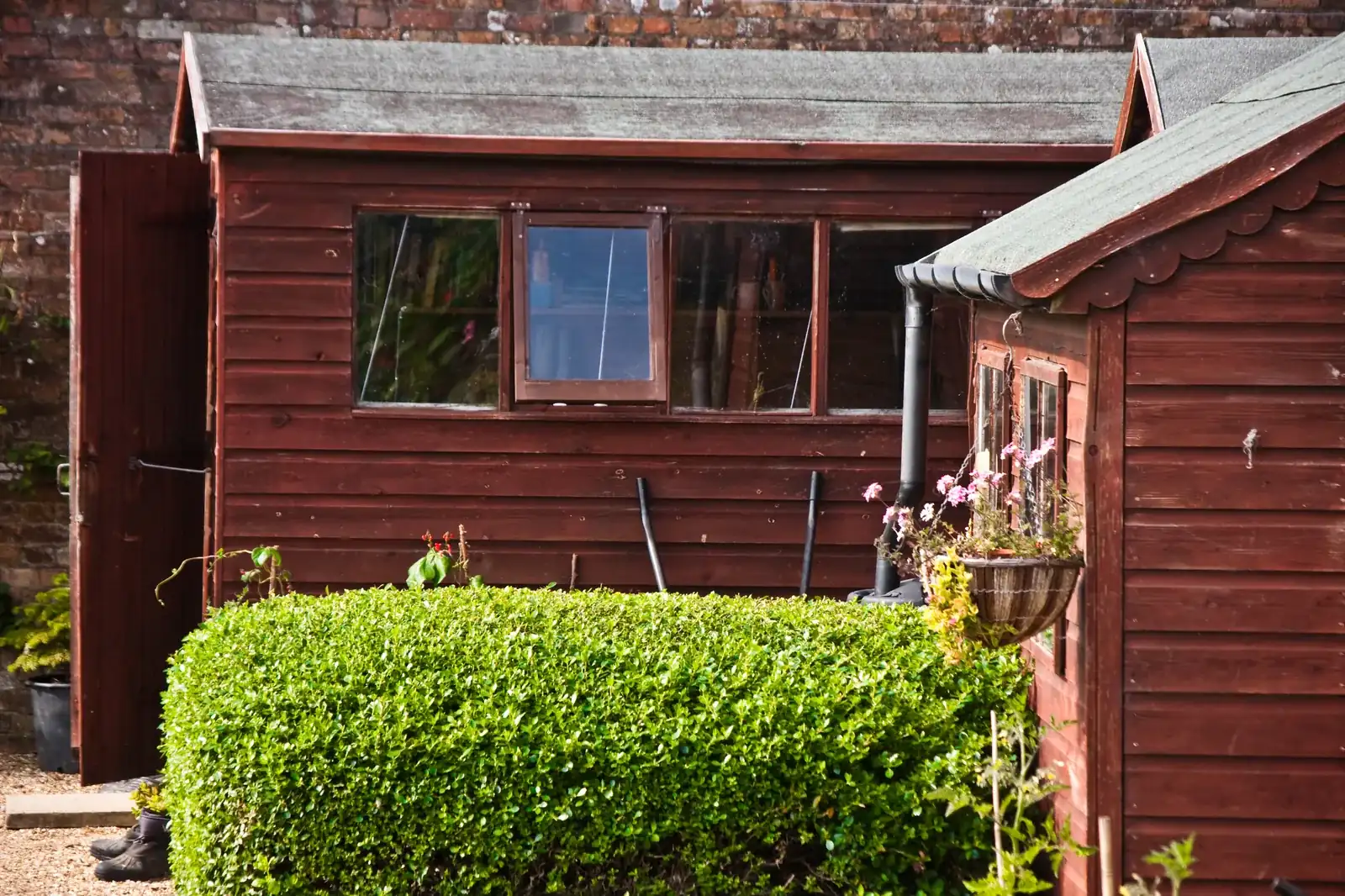
Taking a garden shed apart and hauling it, including whatever has been living in it for fifteen years.
Learn MoreDeck Removal
Taking down a deck that has reached the end of its life, and the part that matters is where it meets the house.
Learn MoreAbove Ground Pool Removal
Draining, dismantling and hauling an above ground pool, and dealing with the dead circle of lawn it leaves behind.
Learn MorePlayset and Swing Set Removal
Taking down a wooden or metal swing set, including the concrete the legs are set into.
Learn MoreLight Demolition
Taking down small non structural things and hauling the result. Not the same as a demolition contractor.
Learn More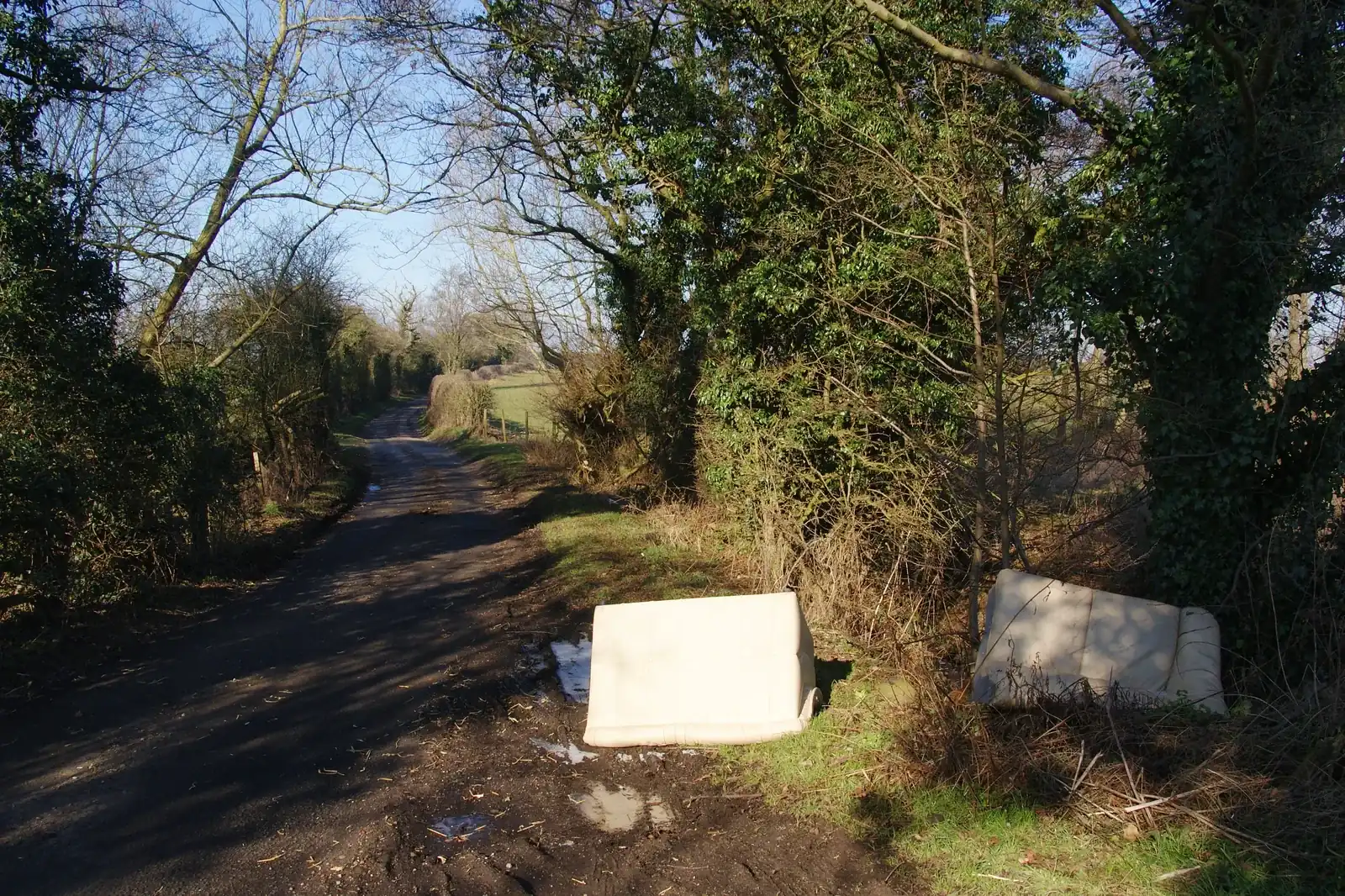
Furniture Removal
Sofas, dressers, tables and bed frames carried out of the room they are in, not the curb you dragged them to.
Learn More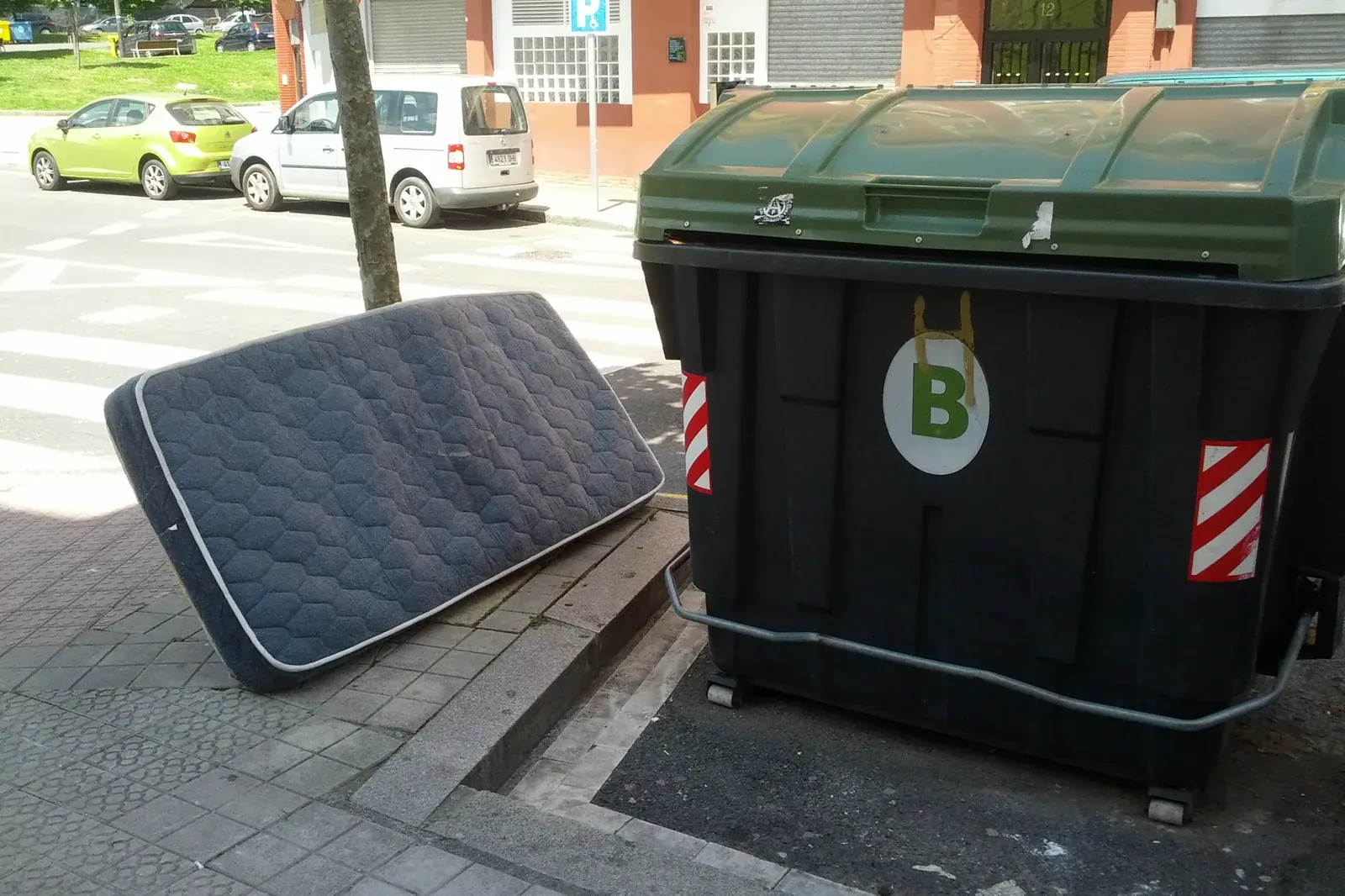
Mattress and Box Spring Removal
You cannot legally put a mattress at the curb in Massachusetts. Here is what actually has to happen to it.
Learn MoreHot Tub Removal Near You



Get a free quote from a local junk hauler
Tell us what needs to go. We pass it to one independent hauler who works your town, and they give you a price. No fee, no contract, and nobody else gets your number.
Call Now(413) 505-8565We connect you with independent Western Mass junk haulers. We are not a hauler.